Fuvahmulah
Celebrated for generations for its deep-rooted hospitality, Once you truly taste the island, you never quite want to leave.
WHY FUVAHMULAH IS DIFFERENT ?
Fuvahmulah Island is one of the most unique destinations in the Maldives — geographically, culturally, and naturally.
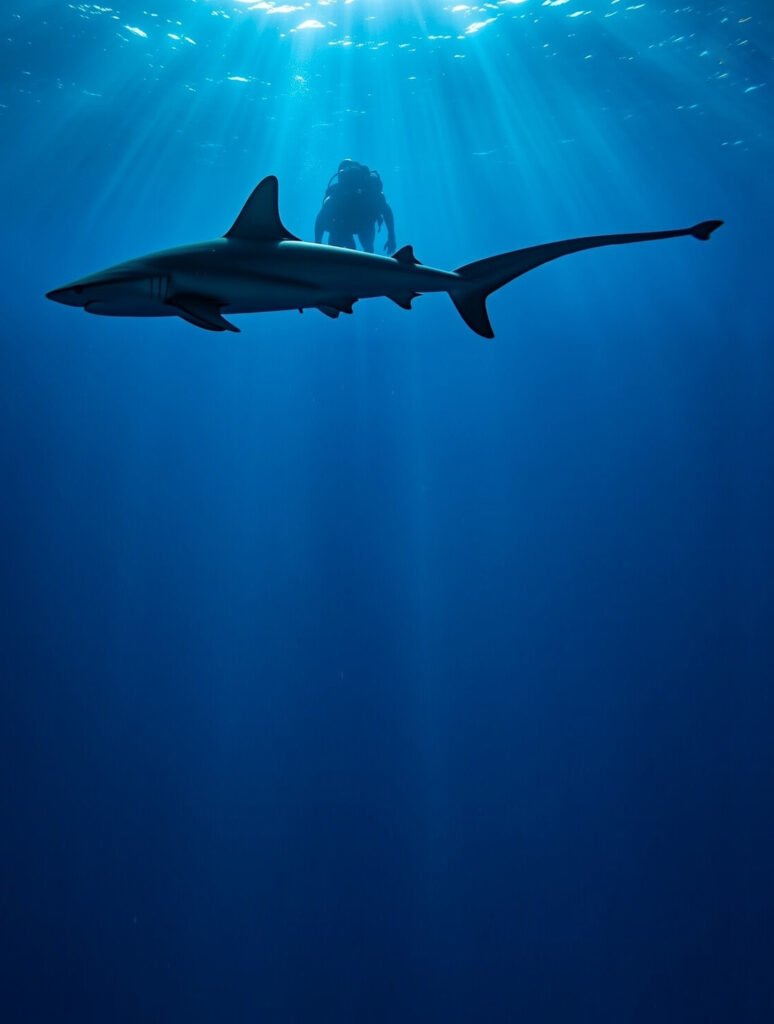
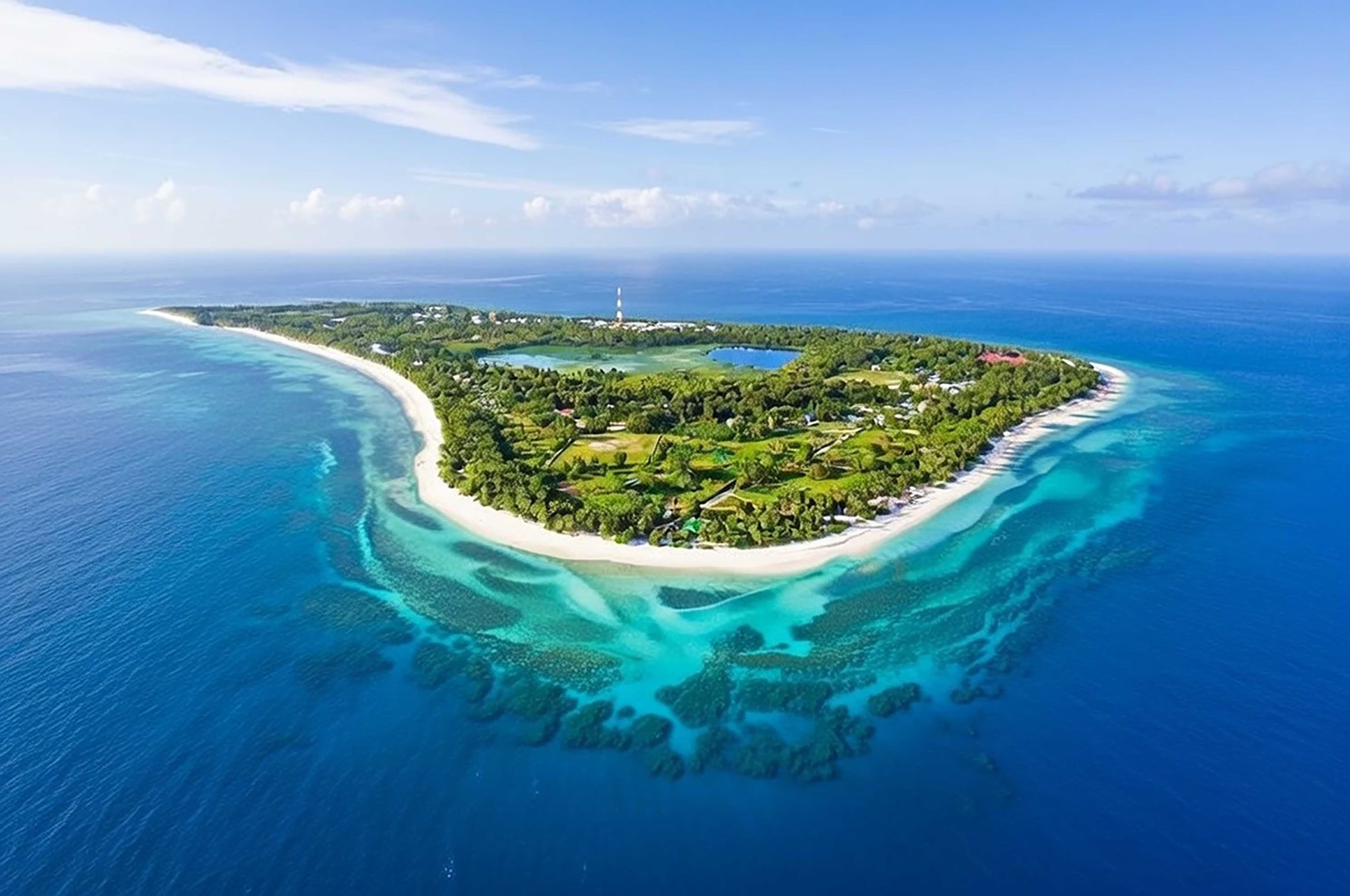
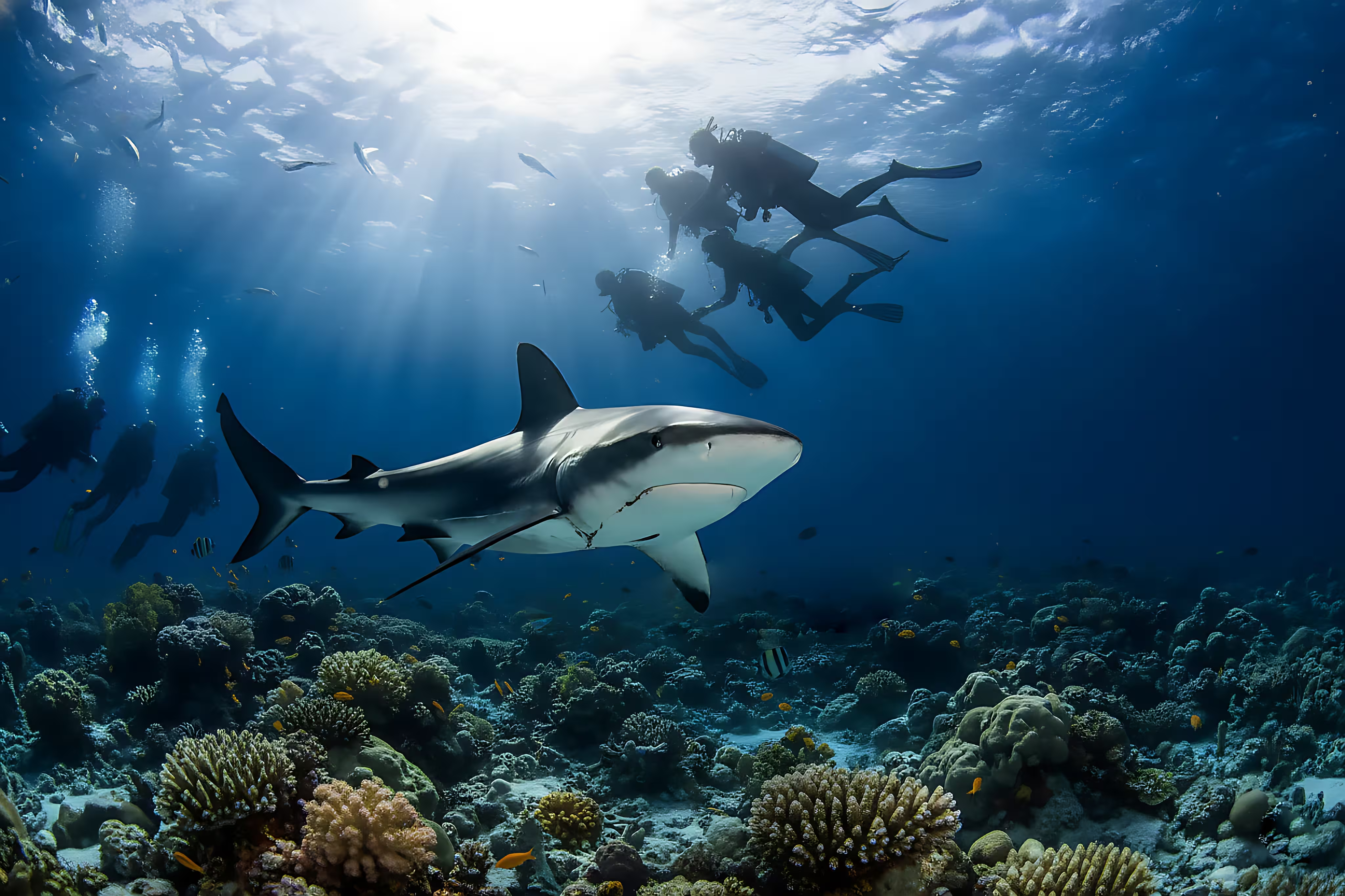
Unlike most Maldivian islands, Fuvahmulah stands alone, surrounded by deep open ocean. This rare geography gives the island its global reputation for year-round encounters with large pelagic species, especially tiger sharks. Just meters from shore, the sea drops into deep blue, creating a powerful connection between island life and the ocean.
The Shark Capital
Life in Fuvahmulah revolves around the ocean. It is world-renowned for its resident population of Tiger Sharks, which can be seen year-round at “Tiger Zoo.” Unlike other diving spots, these sharks stay close to the island due to the deep surrounding waters.
The Vibe: You’ll see divers from all over the world in local cafes, sharing GoPro footage over a “Short Eat” (Maldivian snack).
Unique Species: It is one of the few places where you can see Thresher sharks, Whale sharks, and Manta rays all in one day.
📍Location
Southern Maldives
🌊Ocean
Deap Ocean, No Lagoon
🦈Wildlife
Year-Round Tiger Sharks
🌿Nature
Fresh Water Lakes & Fertile Land
🌿Nature & The Fresh Water Wonders
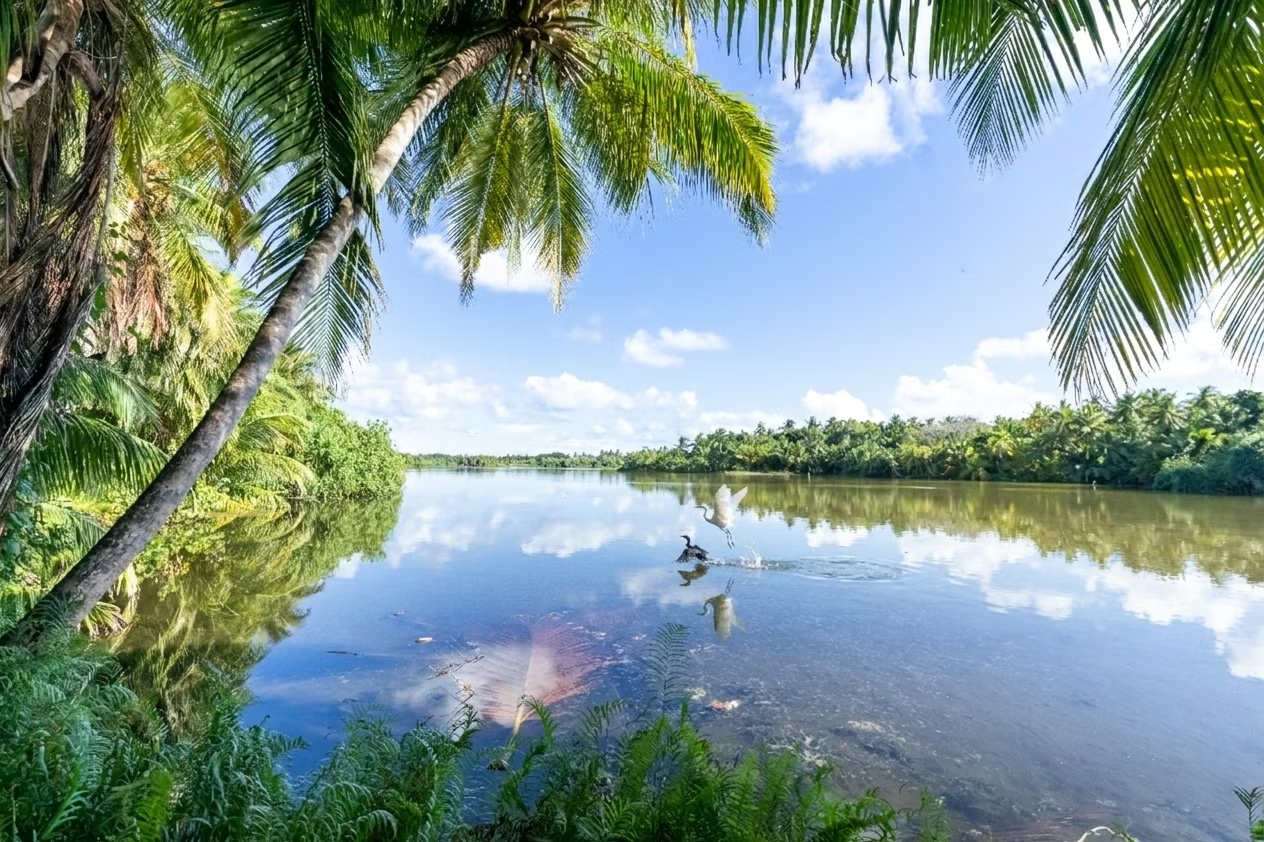
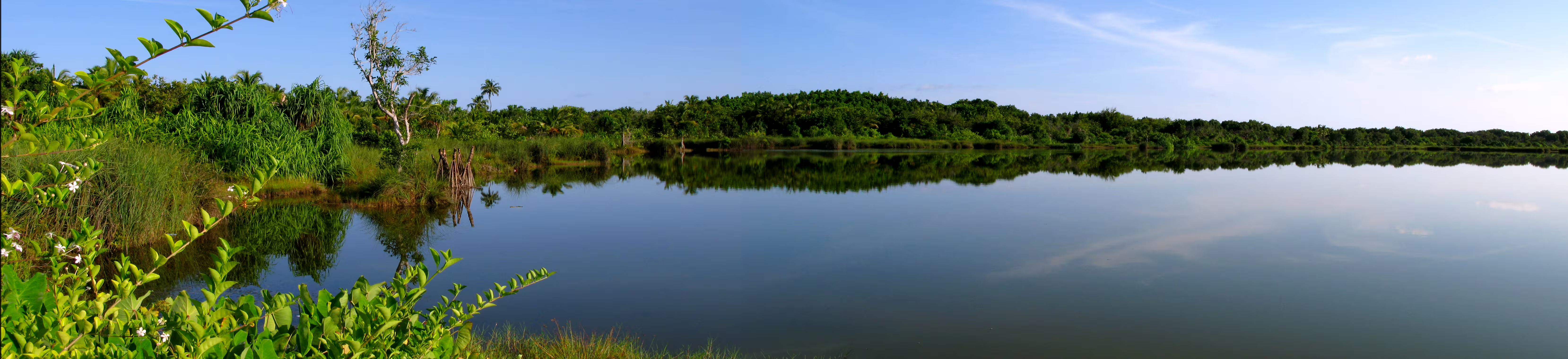
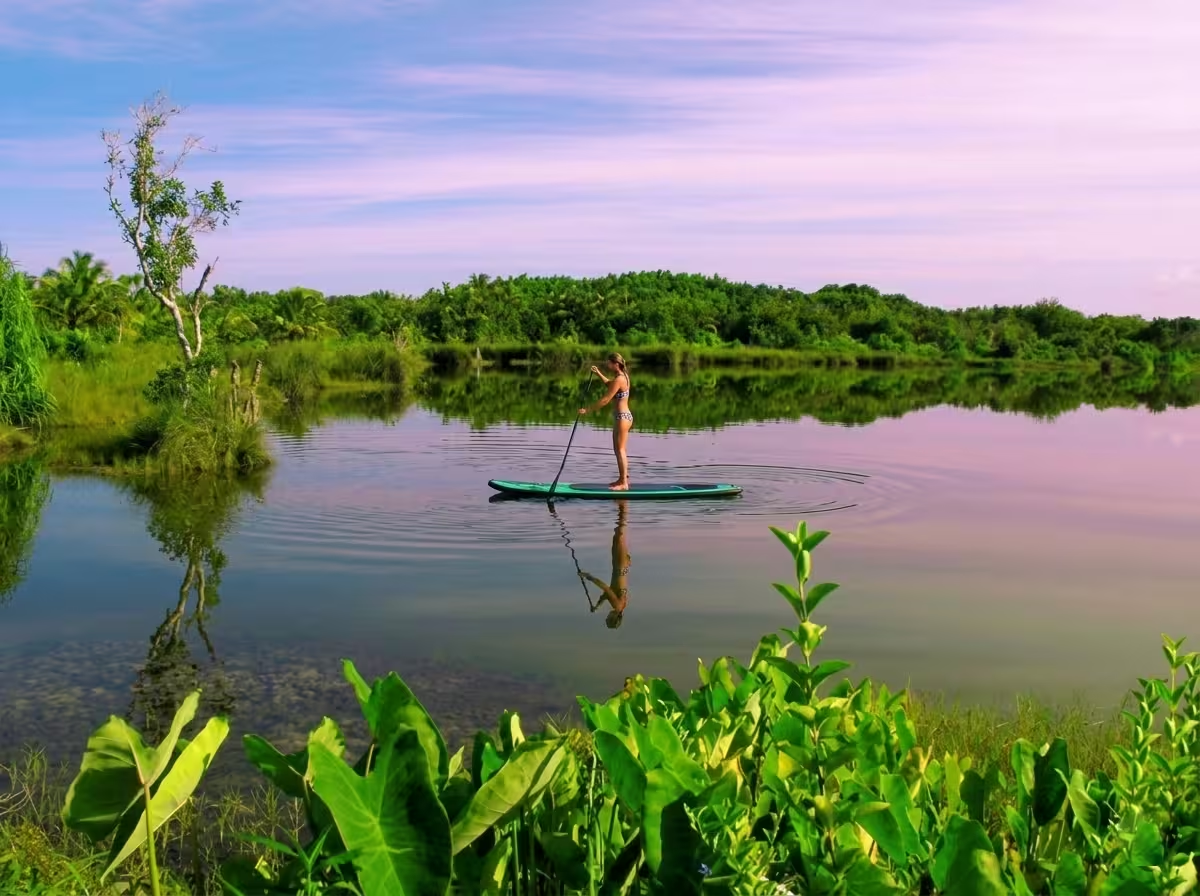
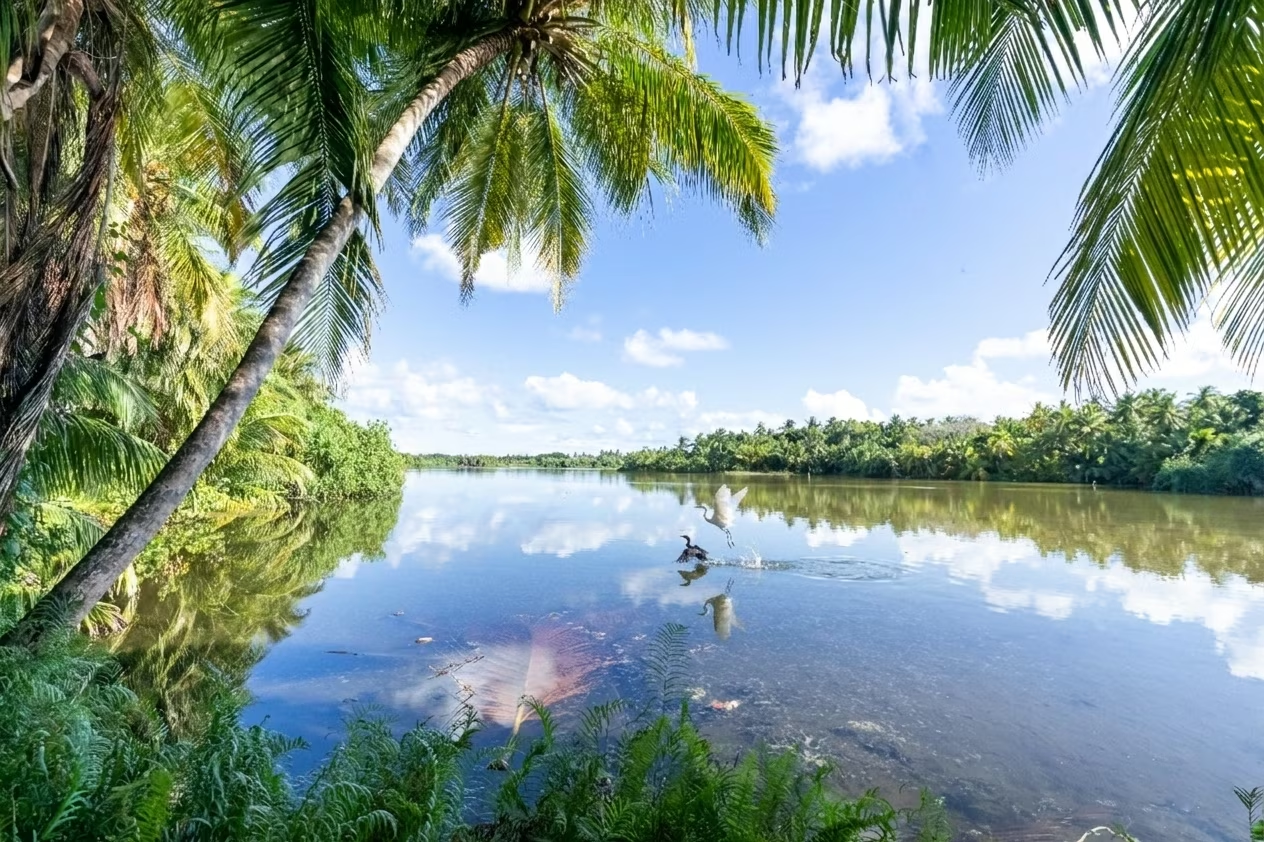
Fuvahmulah is a rare emerald in the Indian Ocean. Our island features a unique “bowl” topography that houses two massive freshwater lakes: Bandaara Kilhi and Dhadimagi Kilhi.
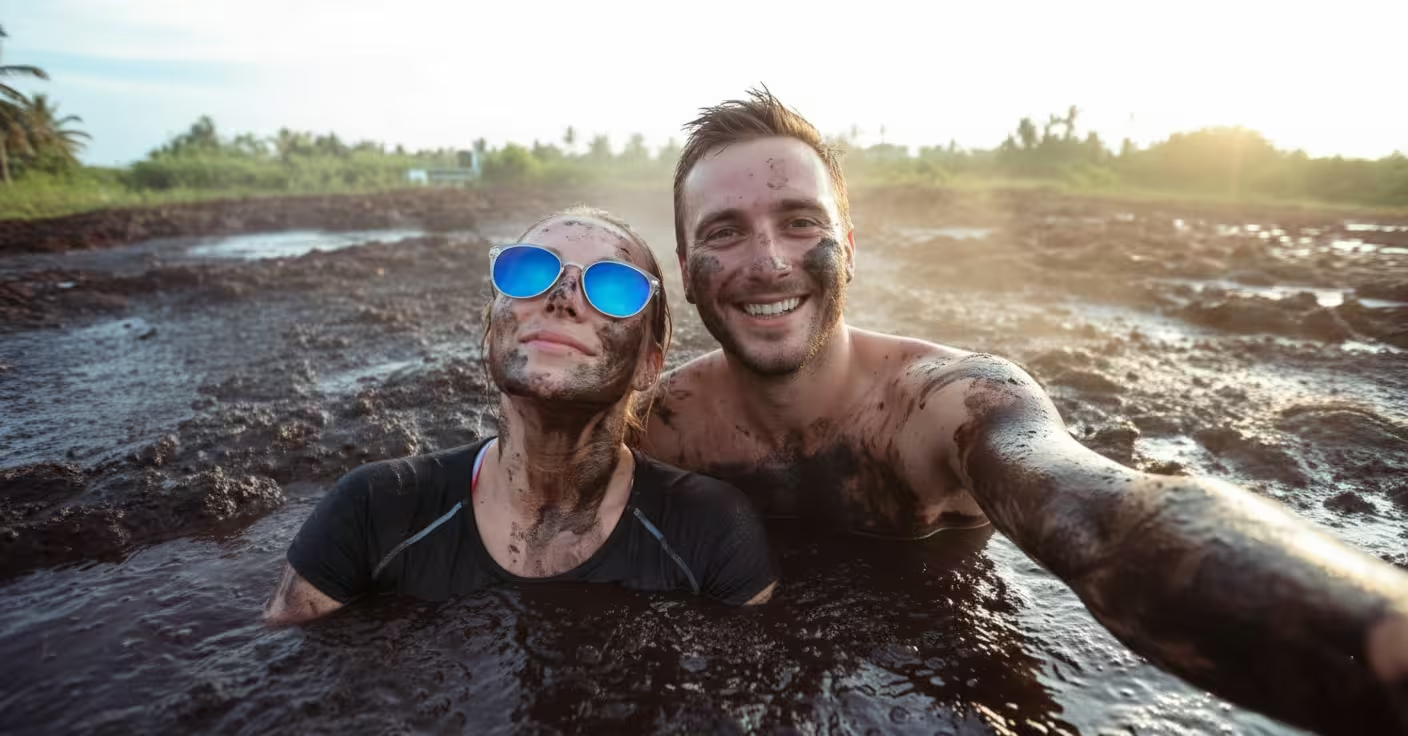
The Nature Park: Kayak through serene wetlands or take a therapeutic mud bath in the mineral-rich marshes.
The Jungle: Wander through trails shaded by ancient mango trees and towering areca palms—the very tree that gives Fuvahmulah its name.
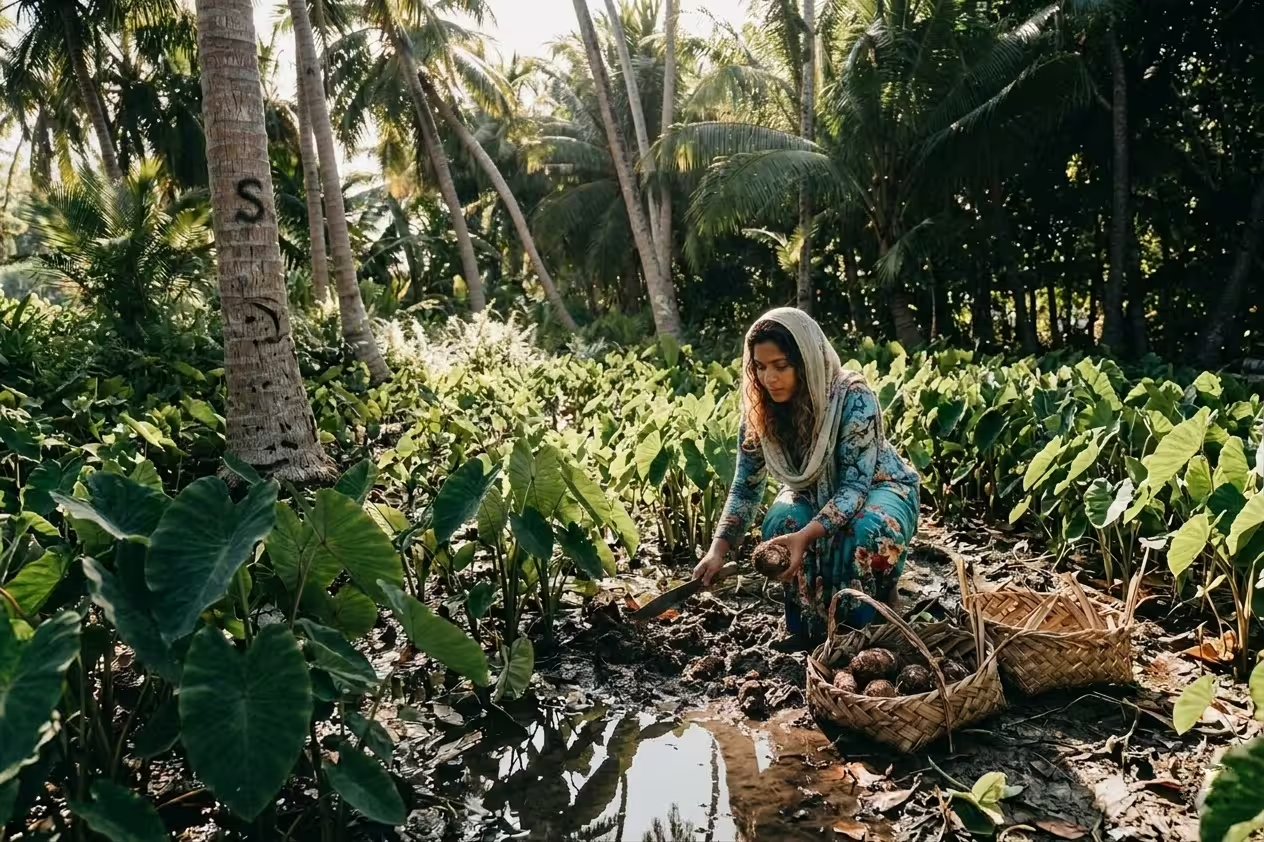
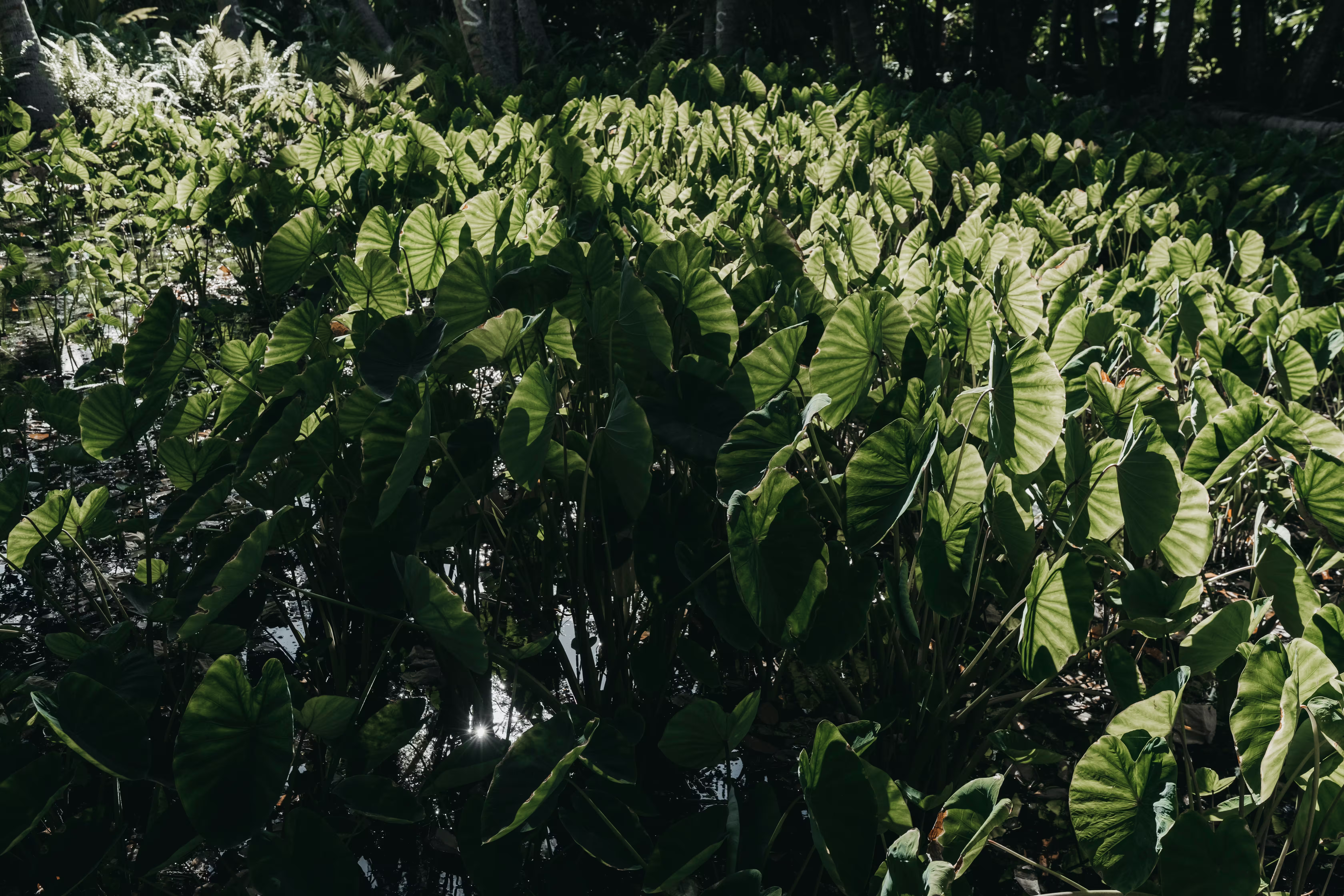
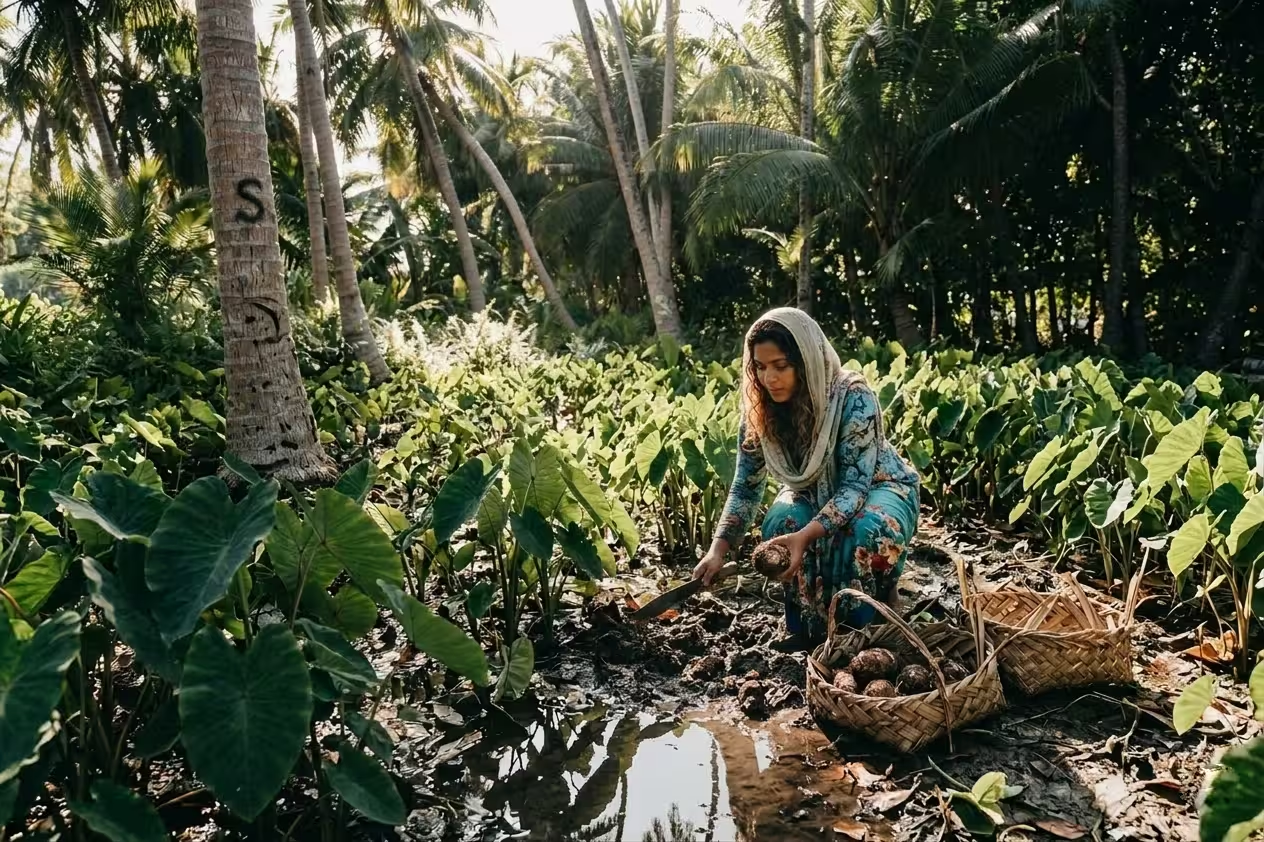
Taro (Ala) fields and birds kanbili and Vali kukulhu, freely roam in the wetland taro fiels as home. Those birds are protected by law
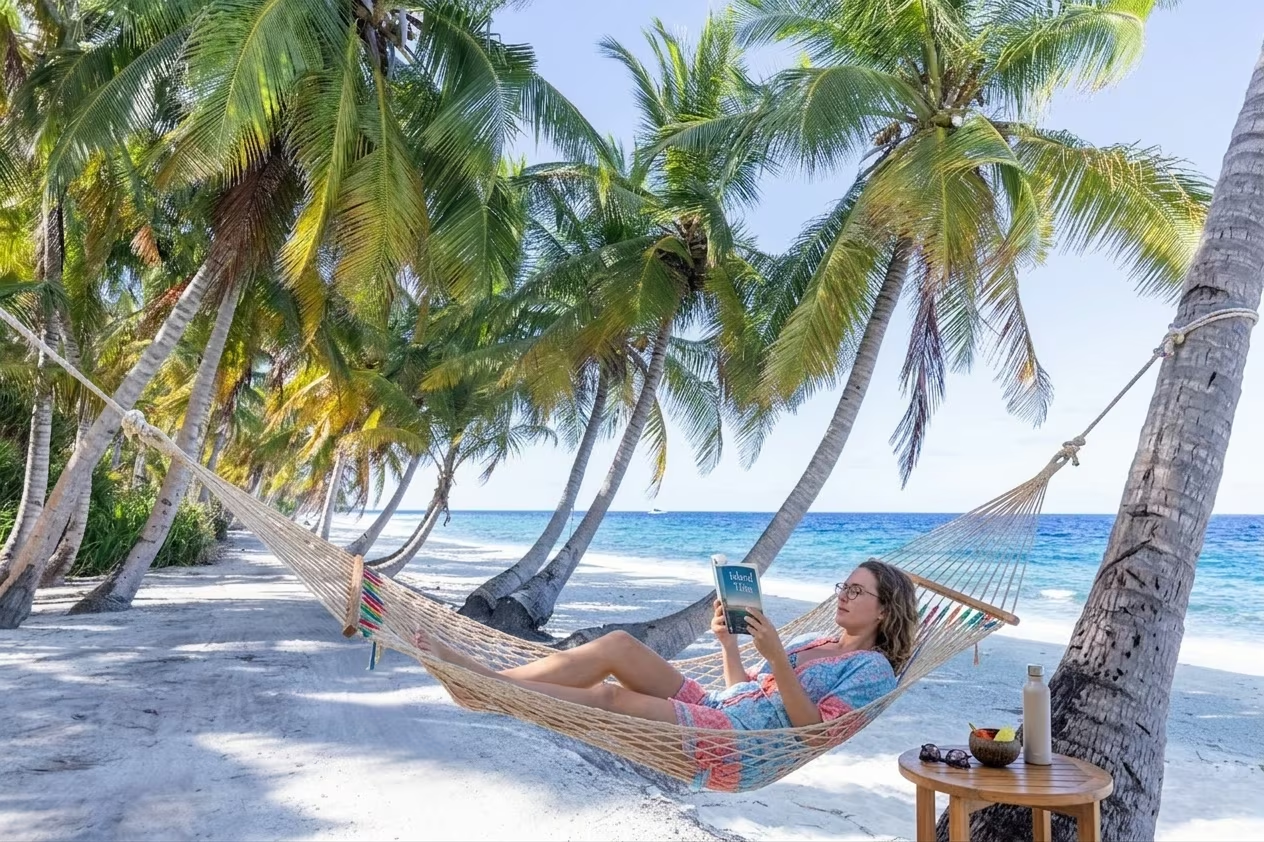
🏝️ Thundi-The Shifting Beach
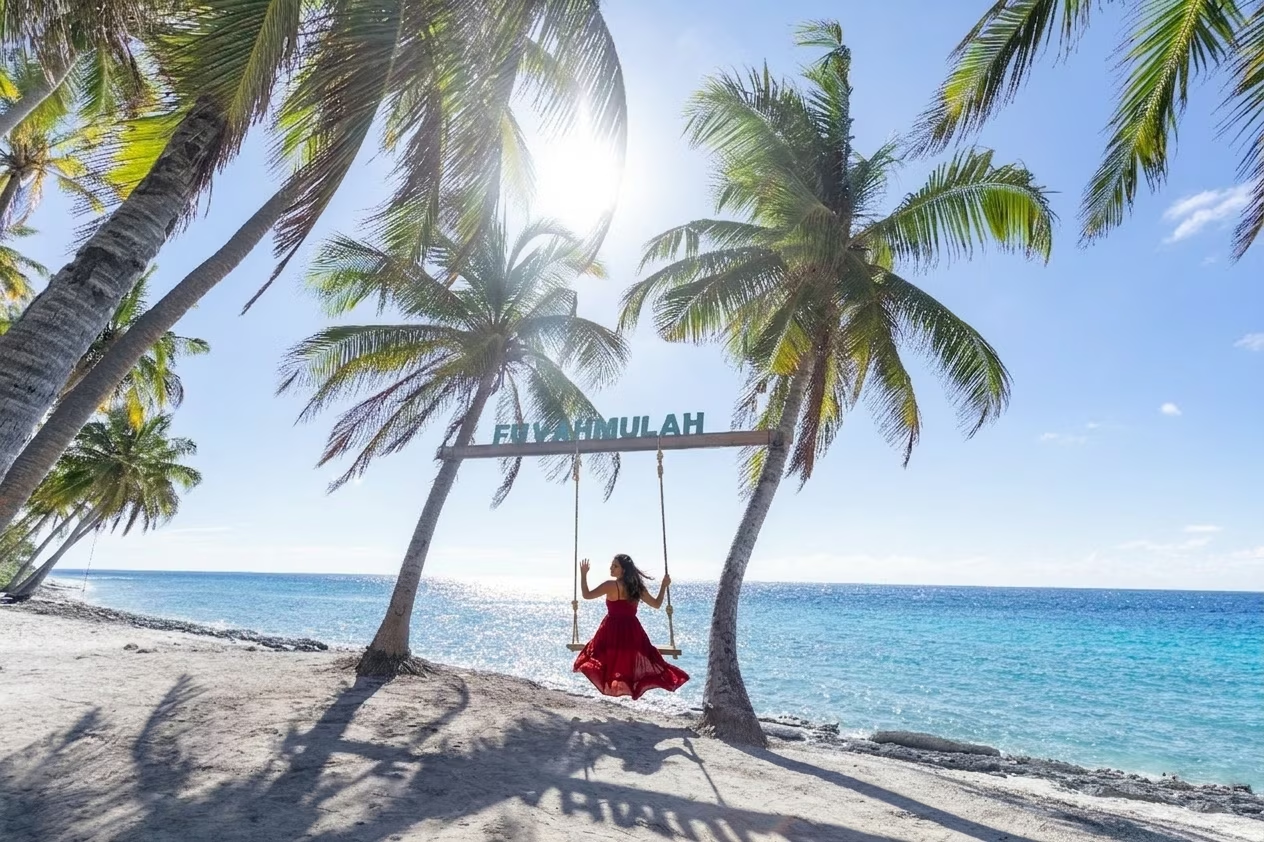
The island’s northern tip features a beach called Thundi, which is famous for its “pebble sand.”
The Phenomenon: The sand is made of smooth, white coral pebbles. Because of the unique currents, the beach actually shifts its shape and location depending on the season.
Local Pastime: It is the primary social hub. In the late afternoon, families gather here to watch the sunset, play football, or enjoy the breeze.
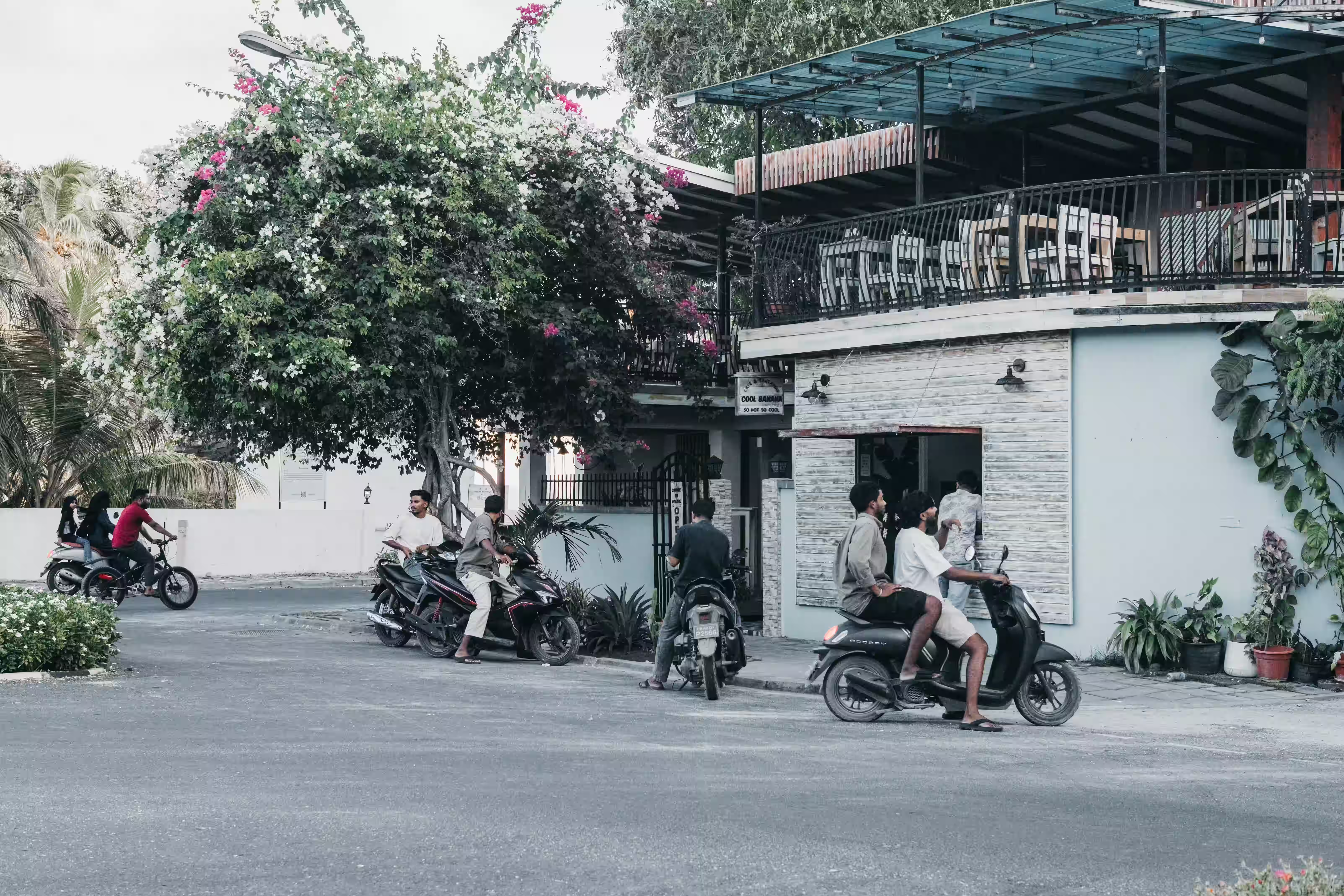
🛵 Getting Around-The Scooter Culture
Fuvahmulah is big (for the Maldives), so you won’t be walking everywhere.
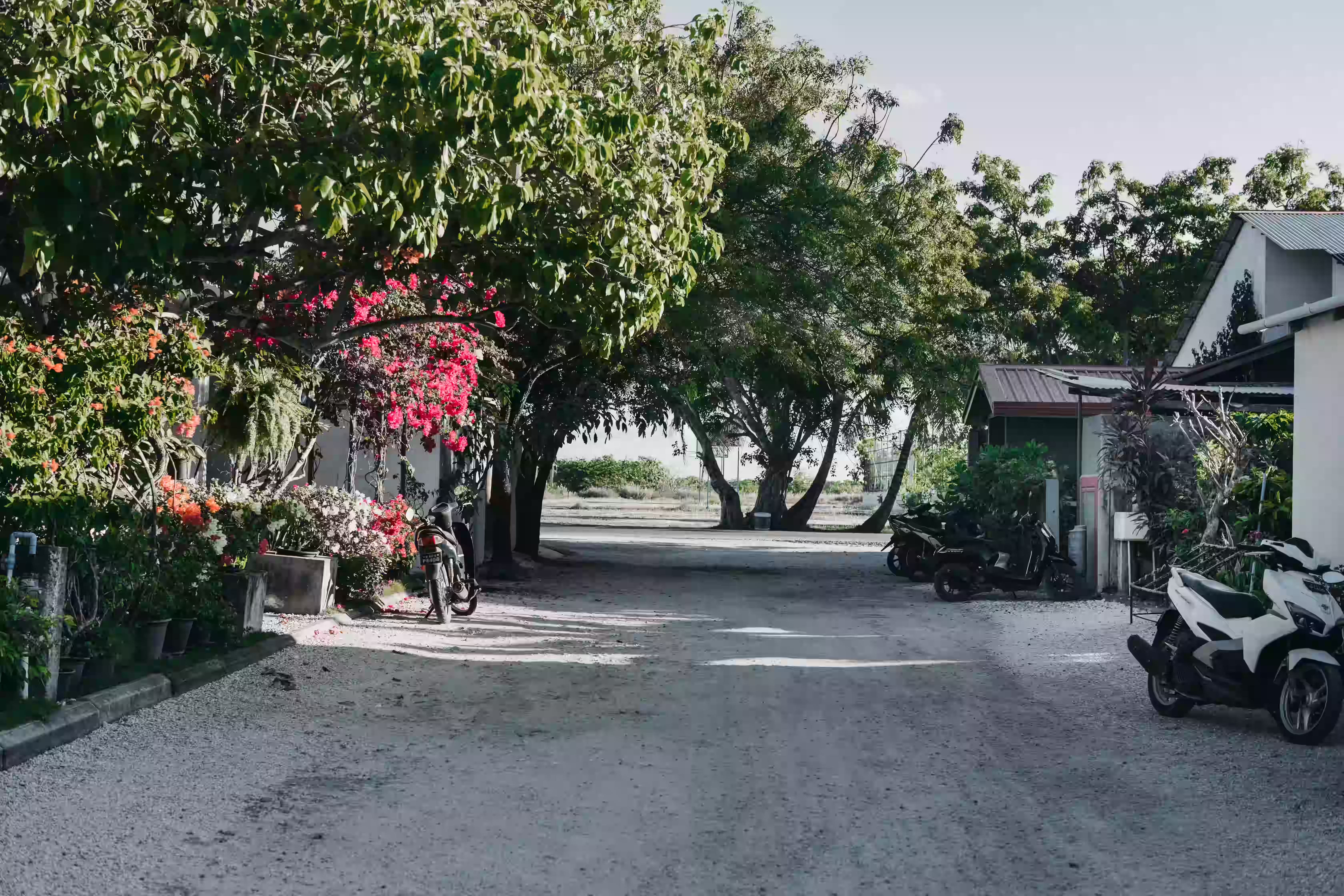
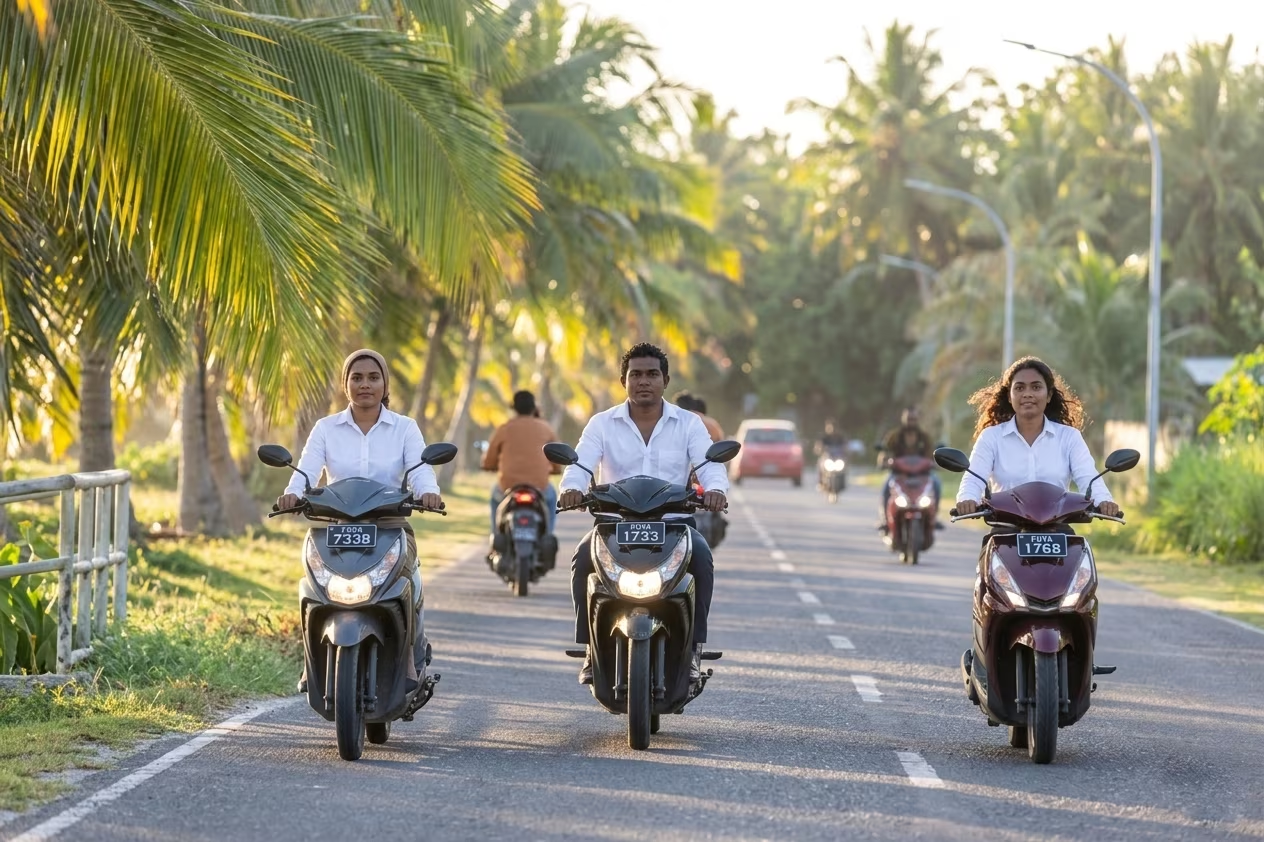
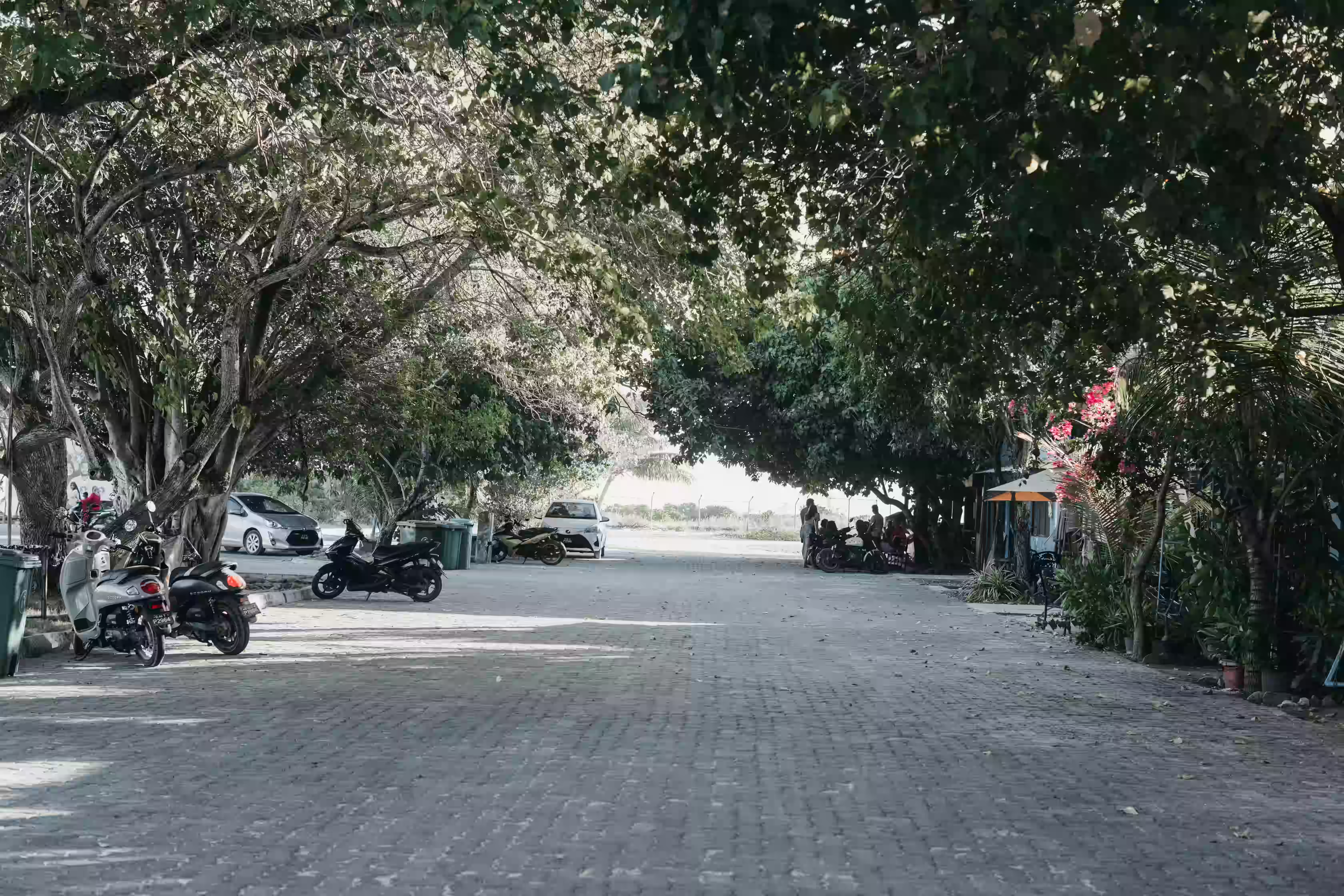
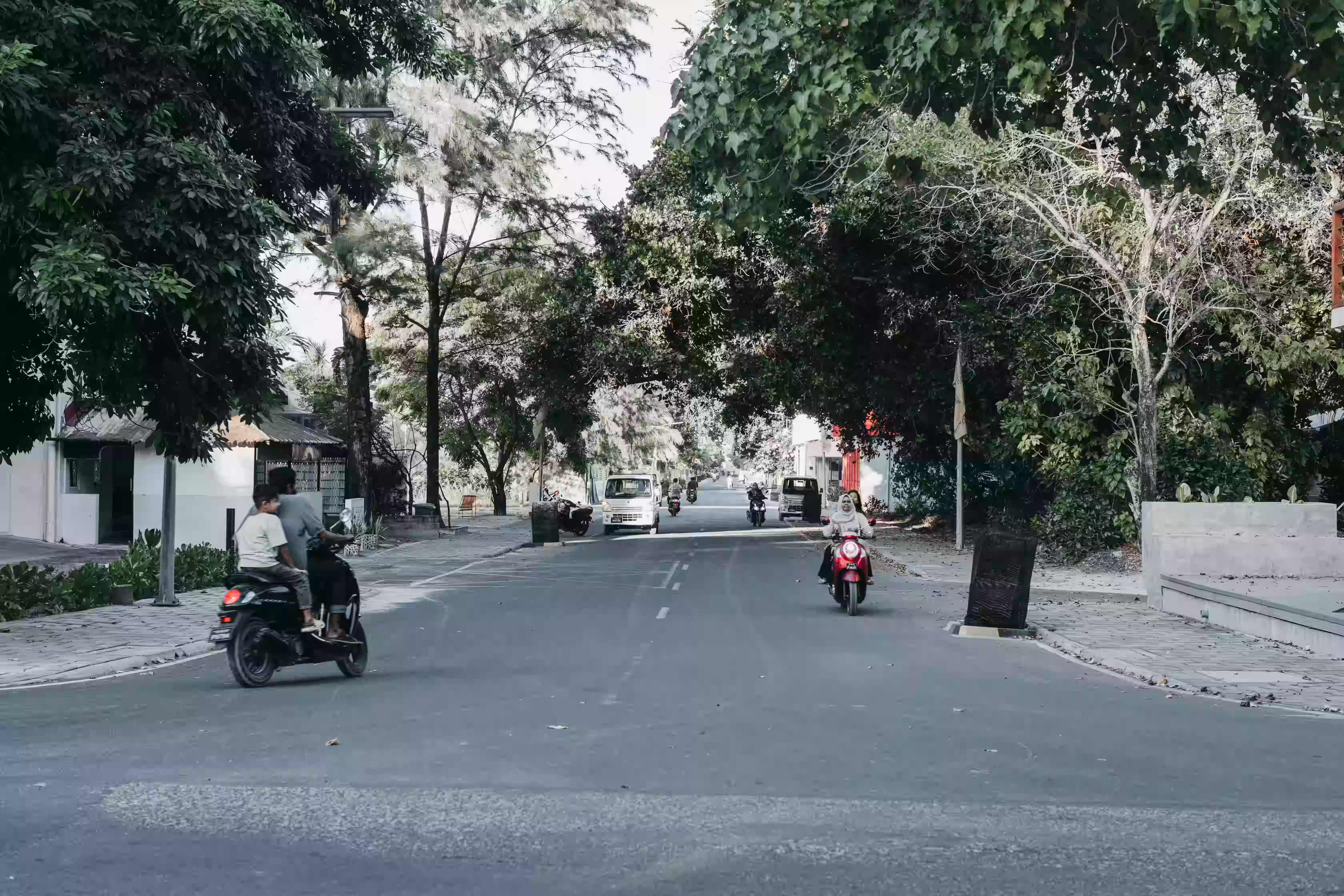
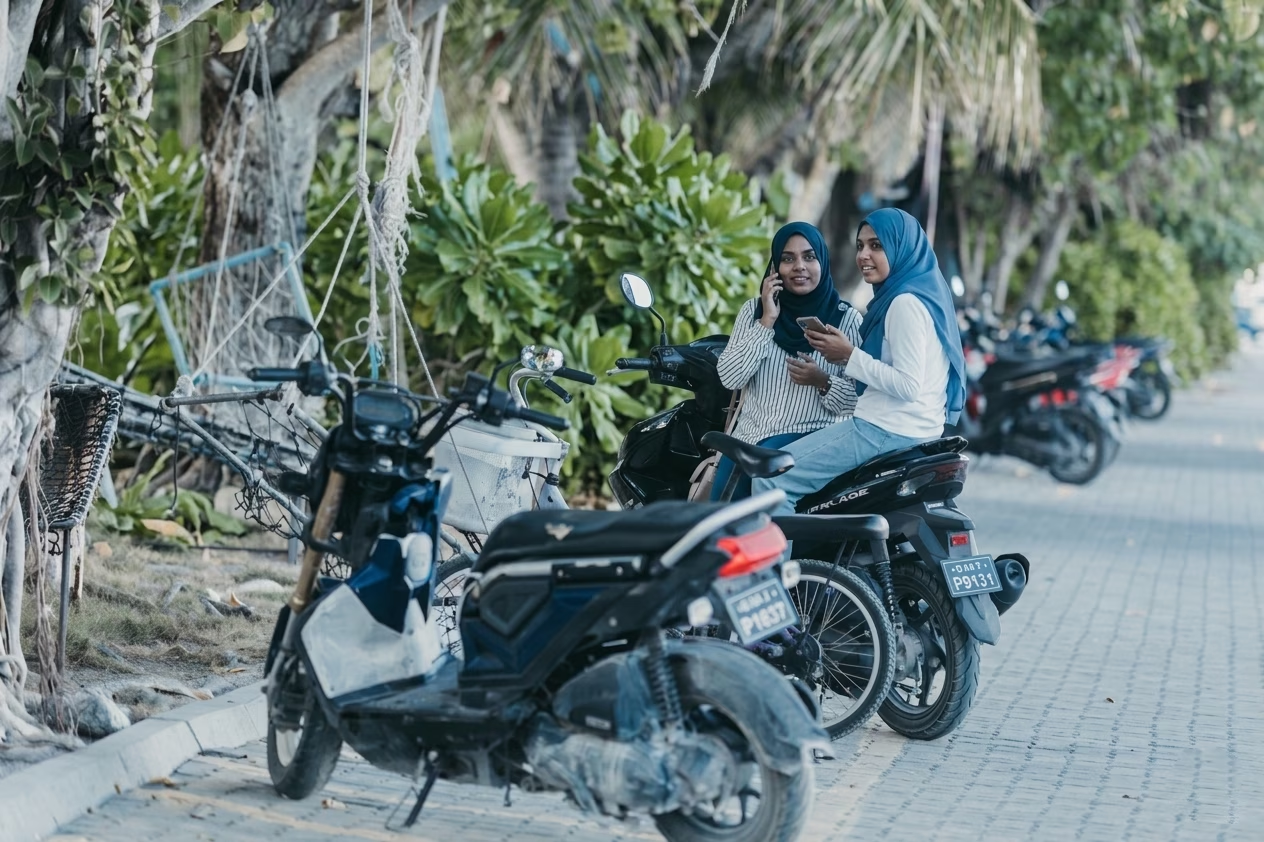
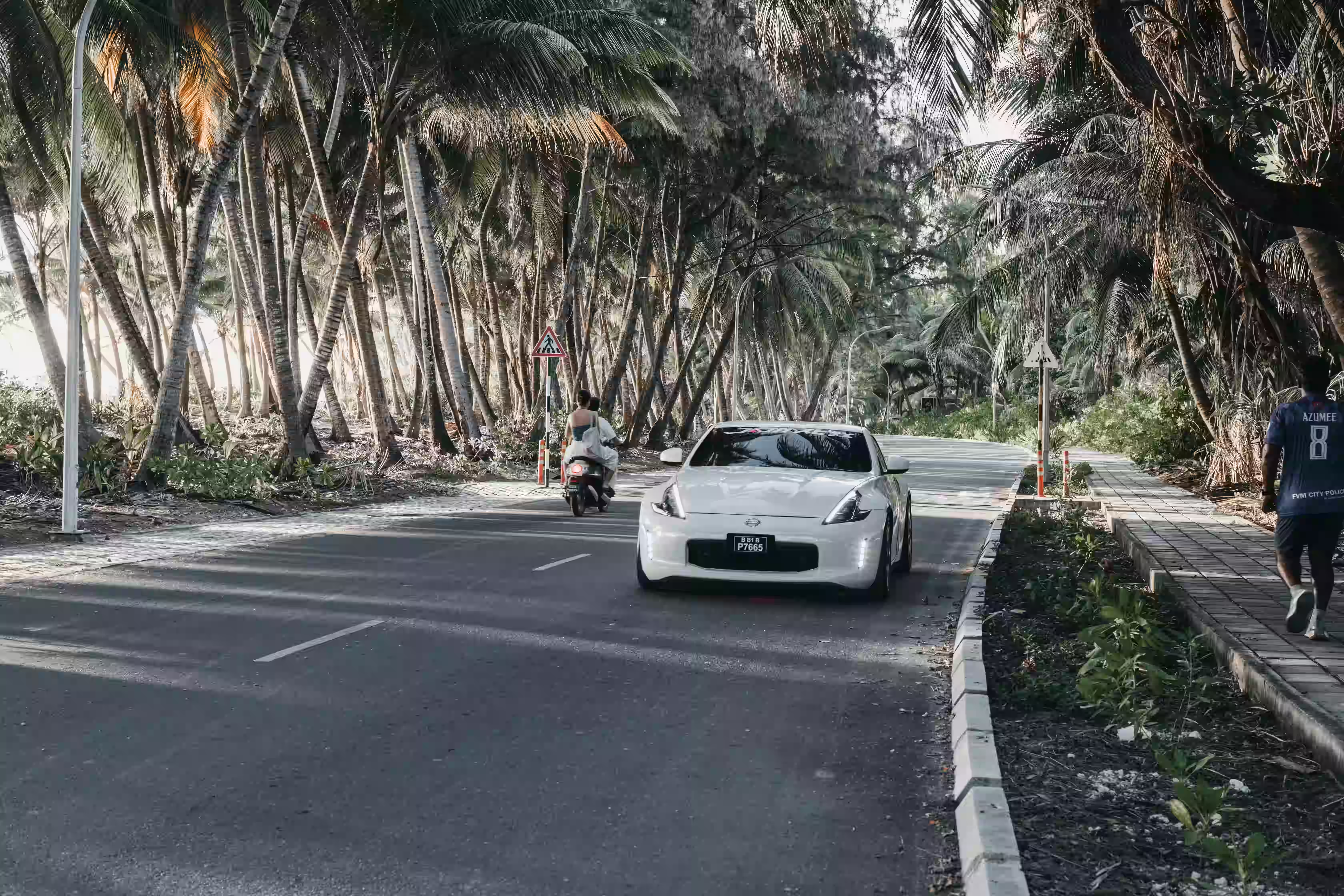
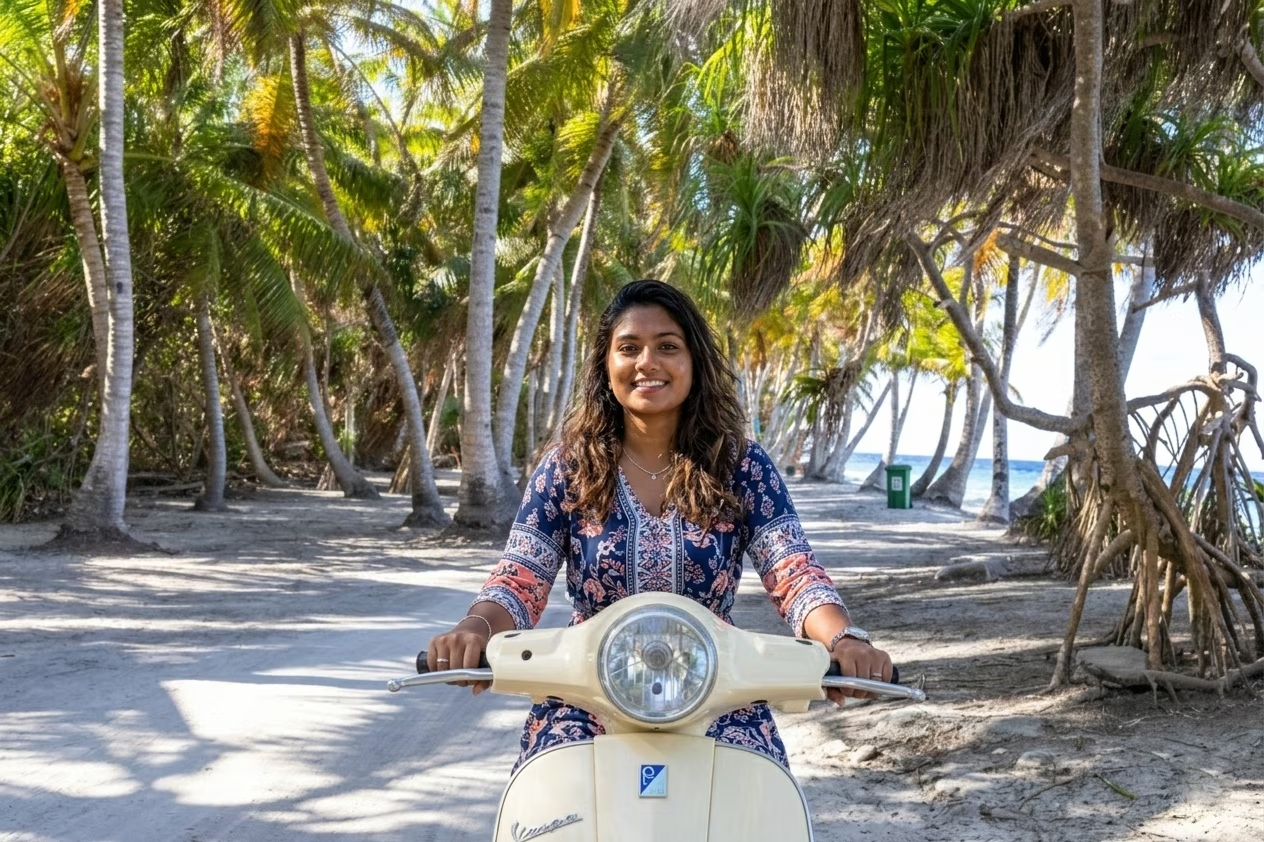
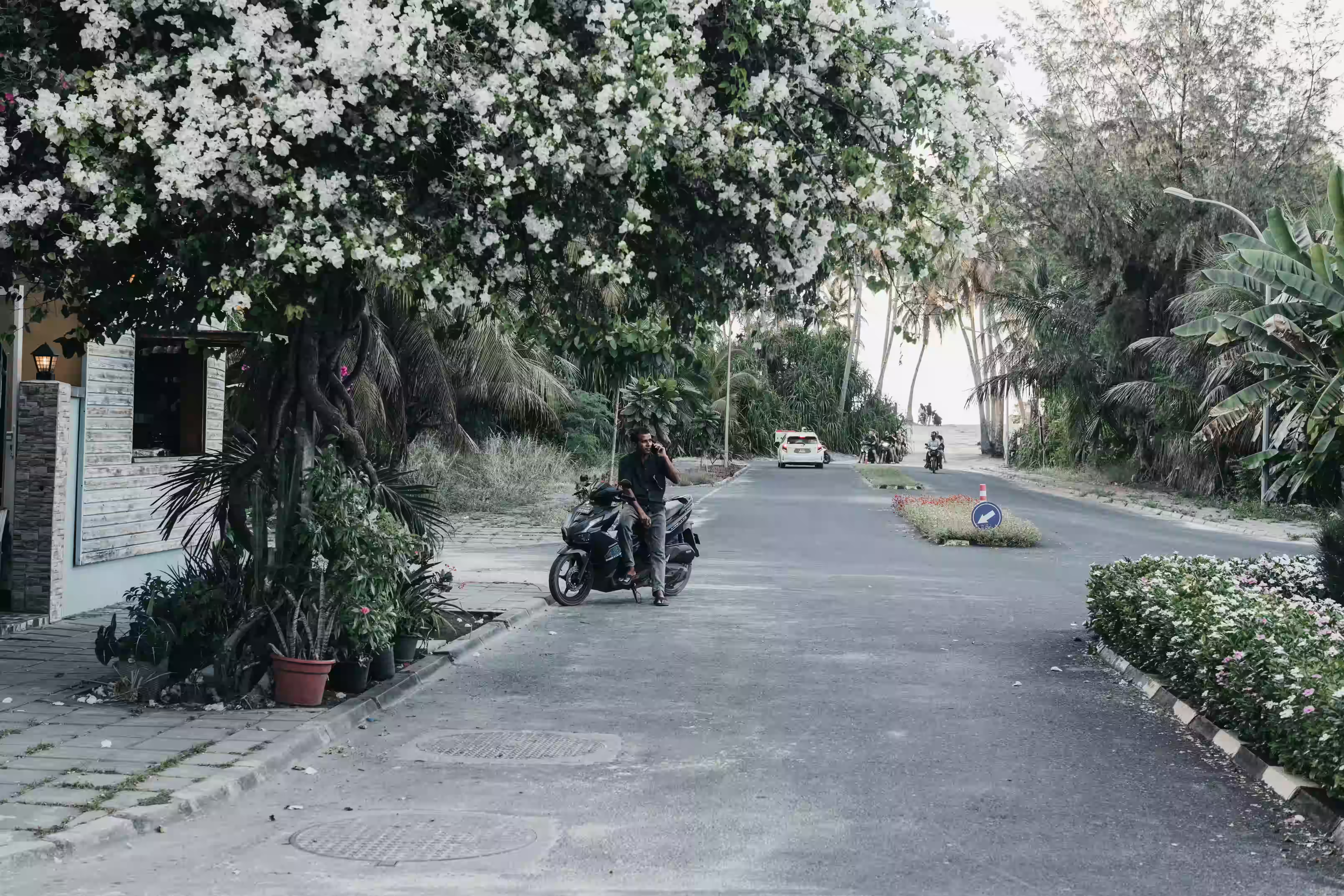
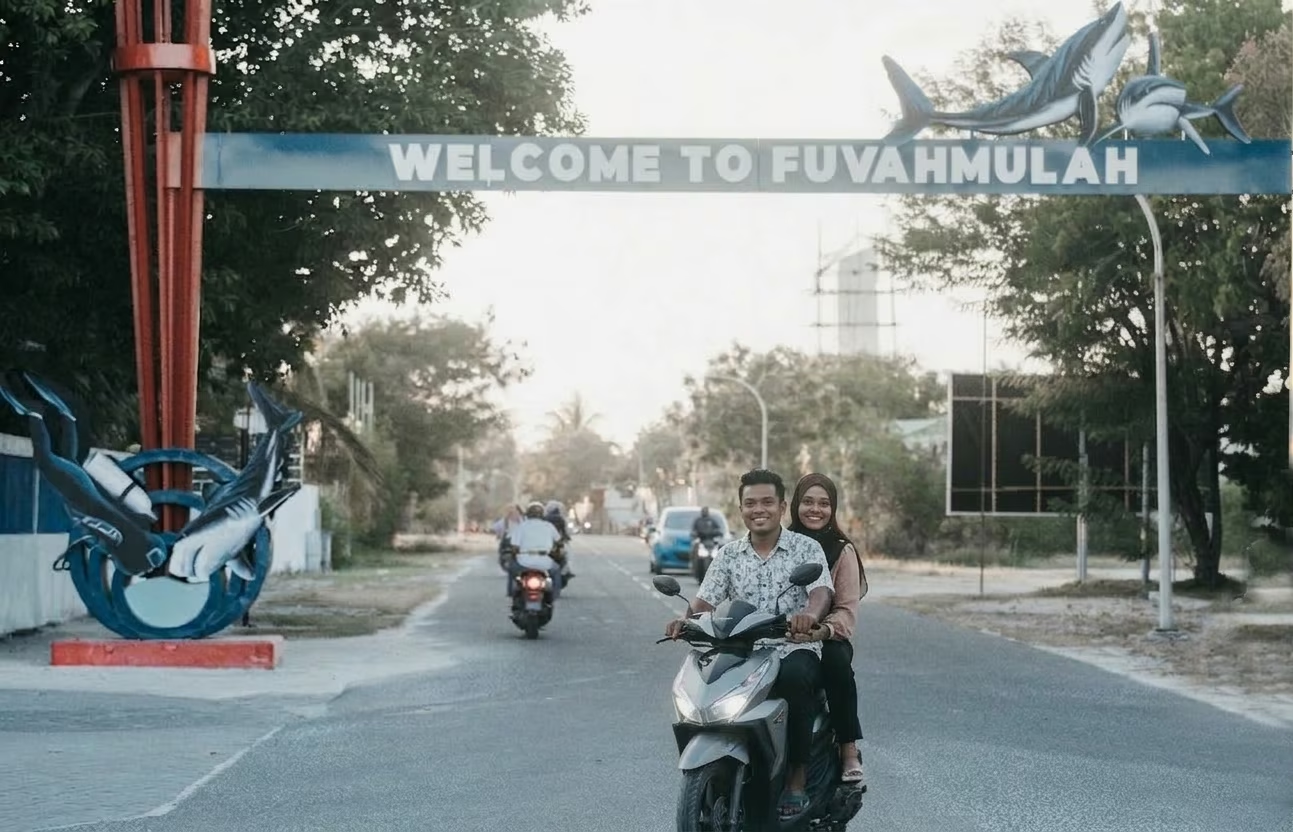
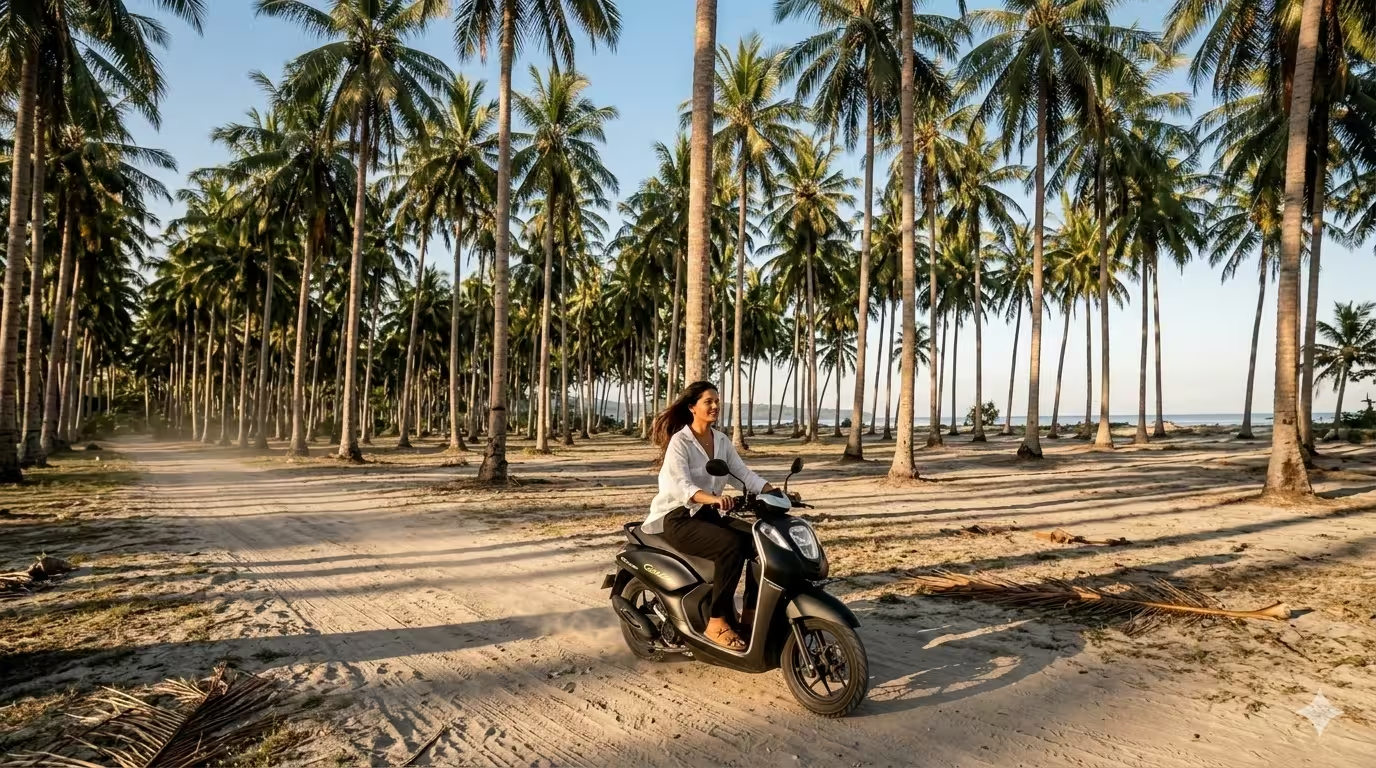
Transportation: The island is crisscrossed with paved roads and sandy lanes. The primary mode of transport is the scooter.
The Pace: Life moves at a “slow-fast” pace. People are active and moving, but there is no “city stress.” Renting a bike or scooter is the best way to live like a local.
Island Culture
A Culture Shaped by Land and Sea
Hospitality
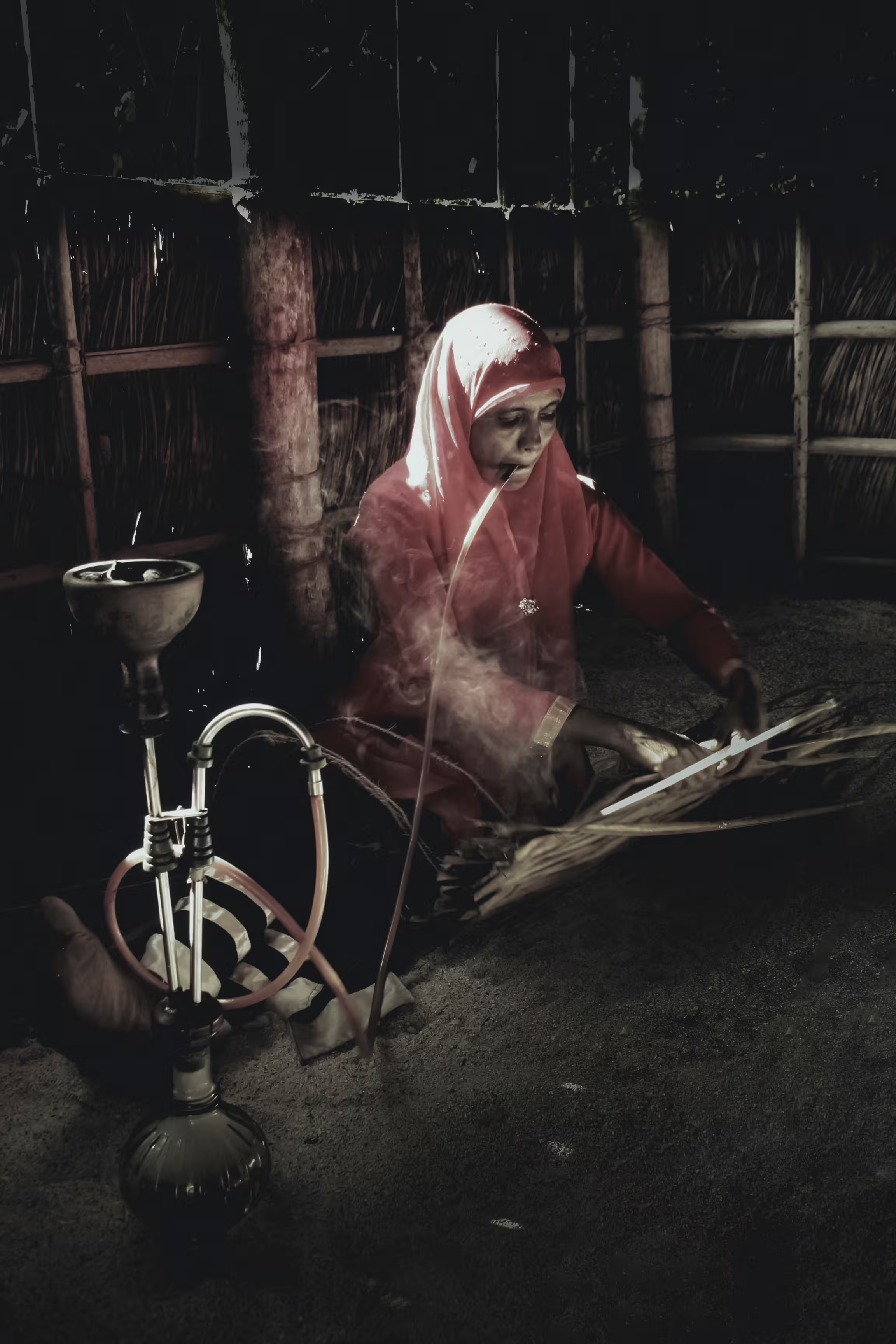
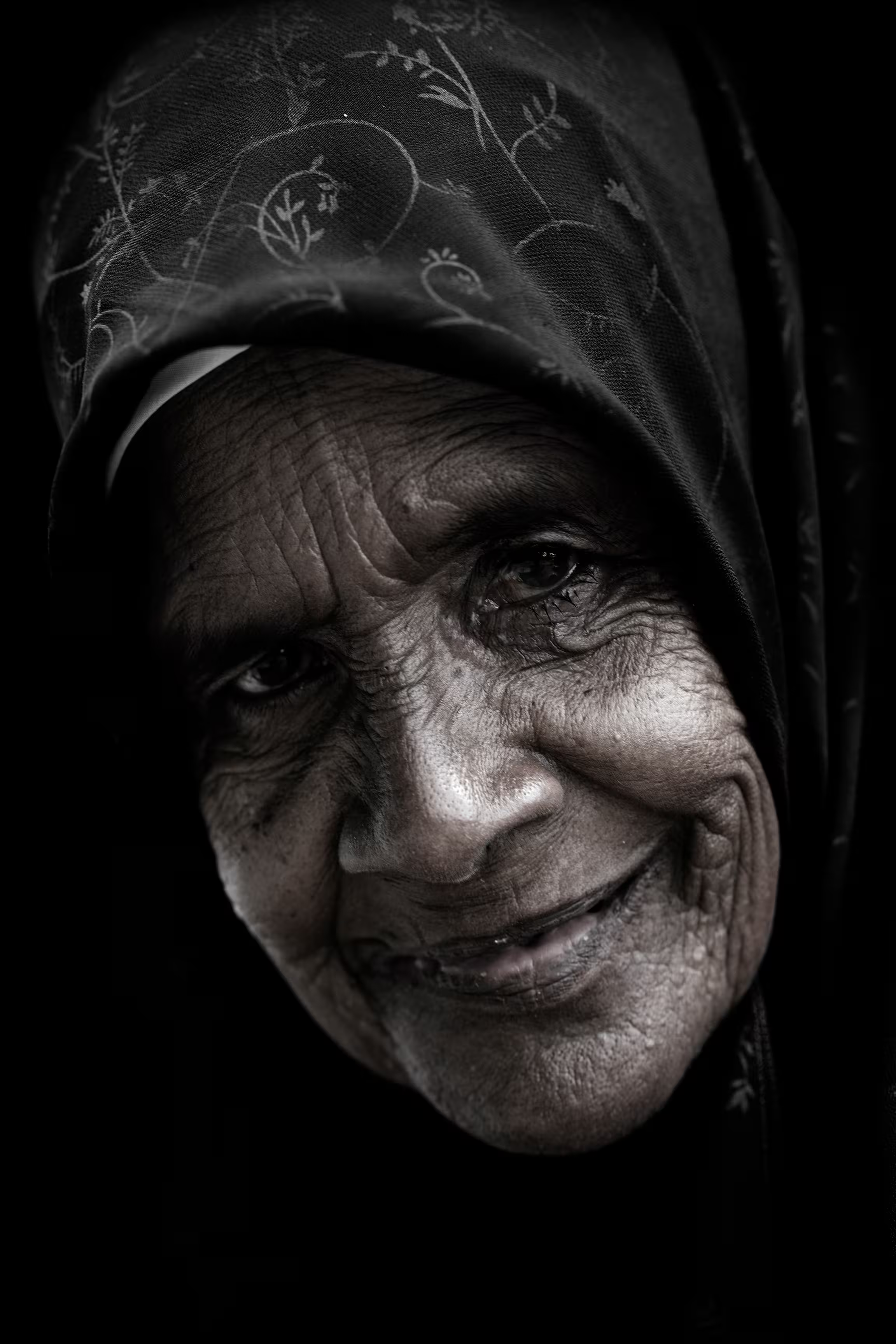
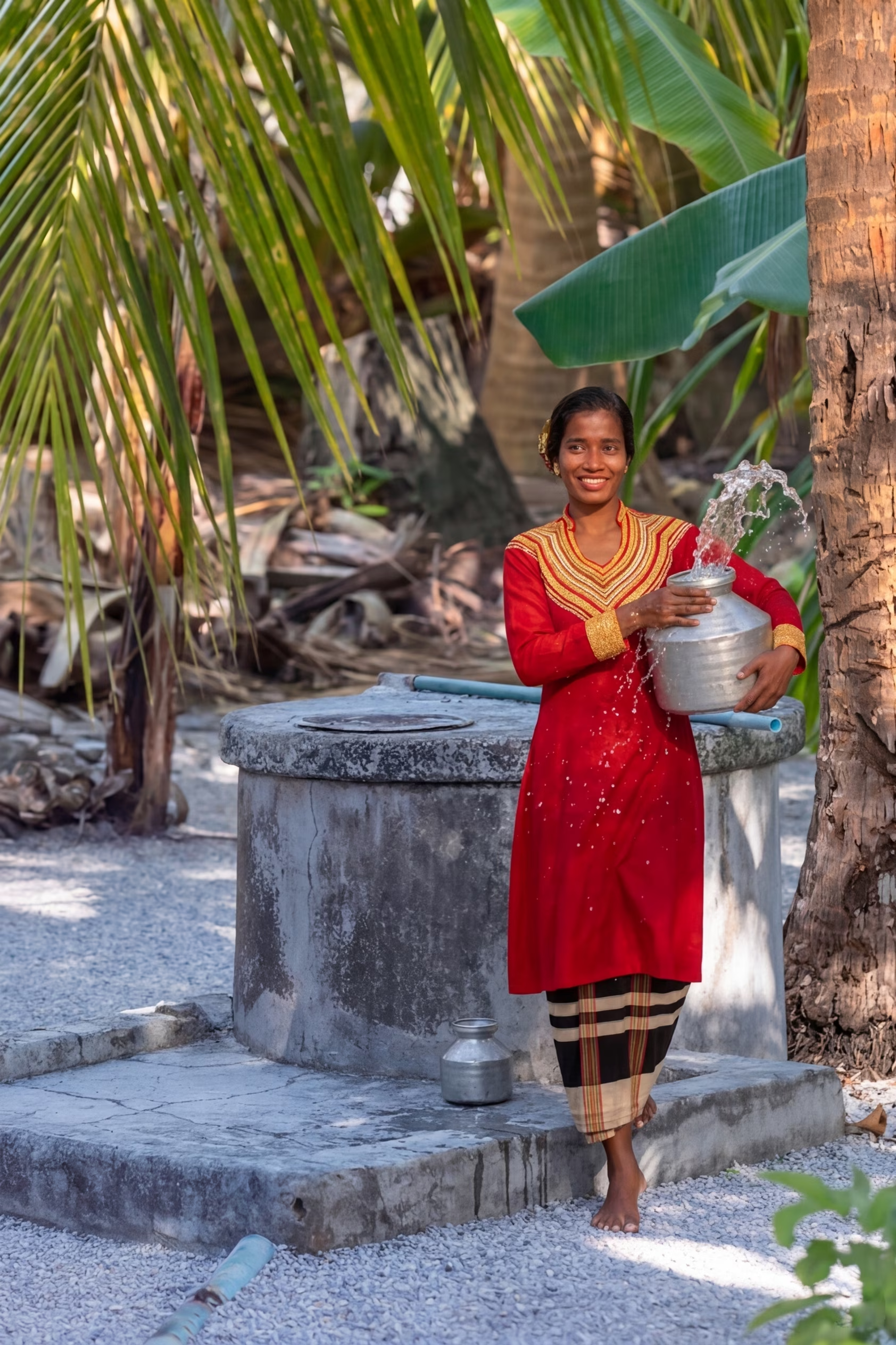
Hospitality in Fuvahmulah is not a service — it is a way of life passed down through generations. Guests are welcomed with genuine warmth, often treated as extended family rather than visitors.
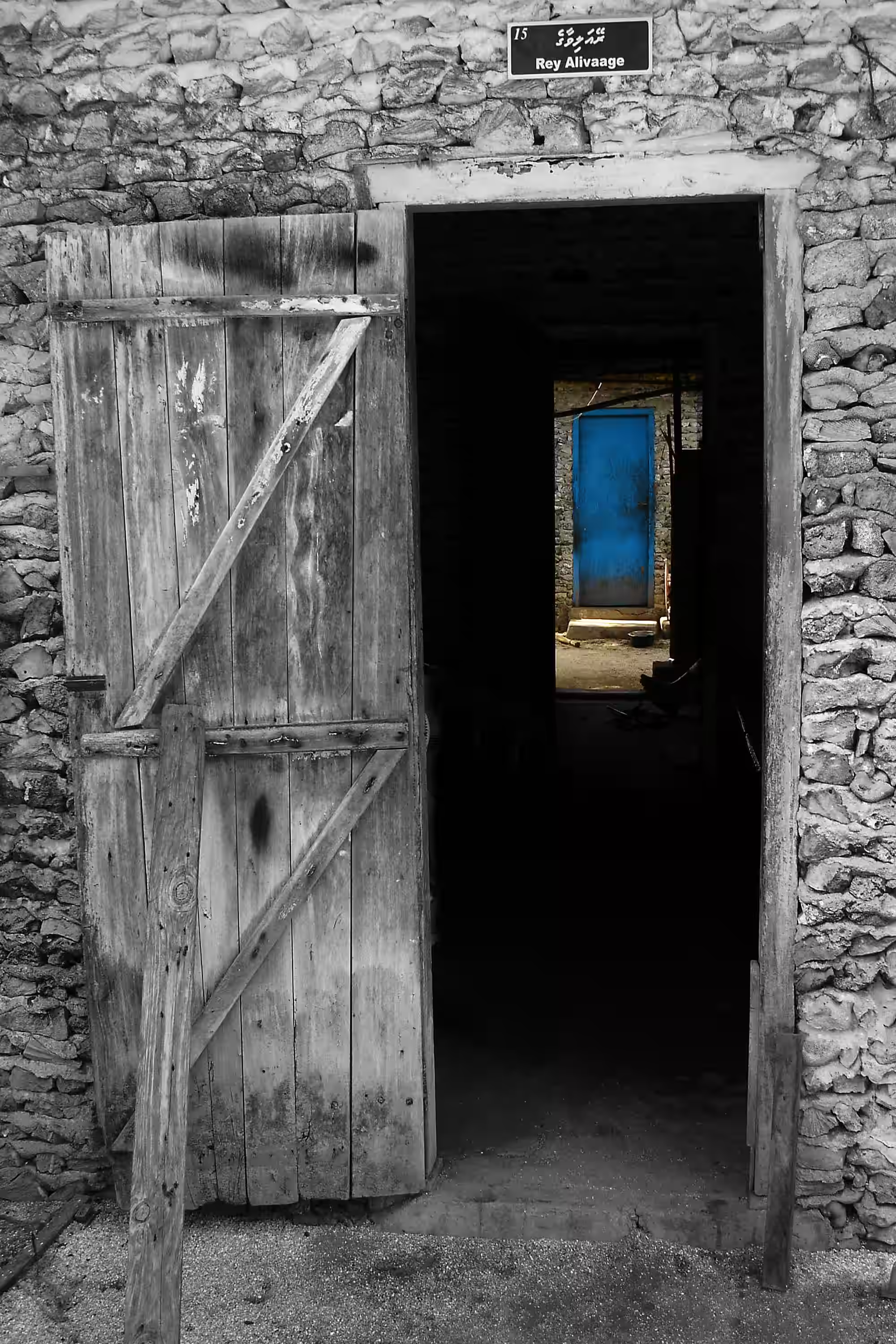
Doors are open, meals are shared, and conversations flow easily, reflecting a deep-rooted tradition of care that defines island life.
Community Life
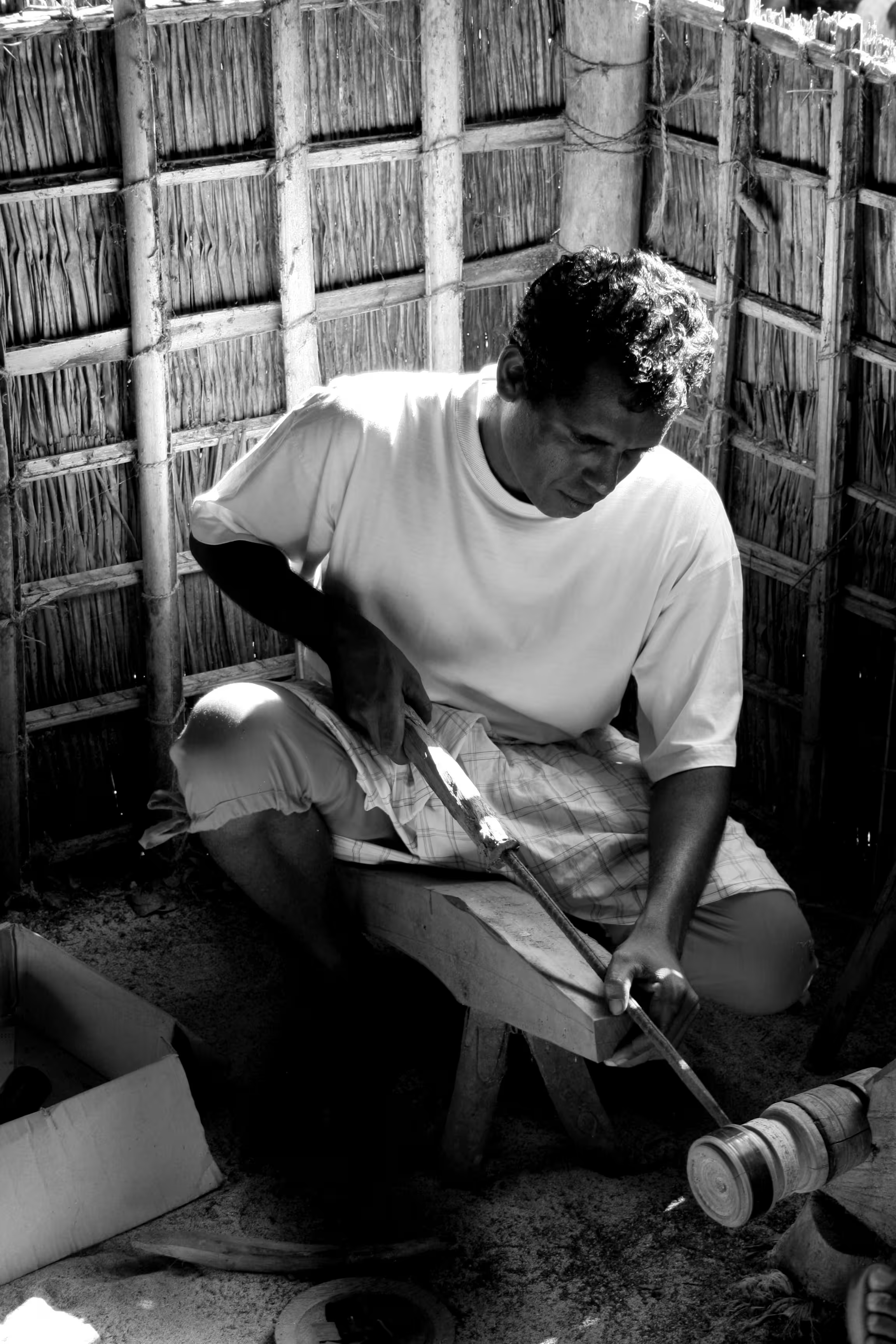
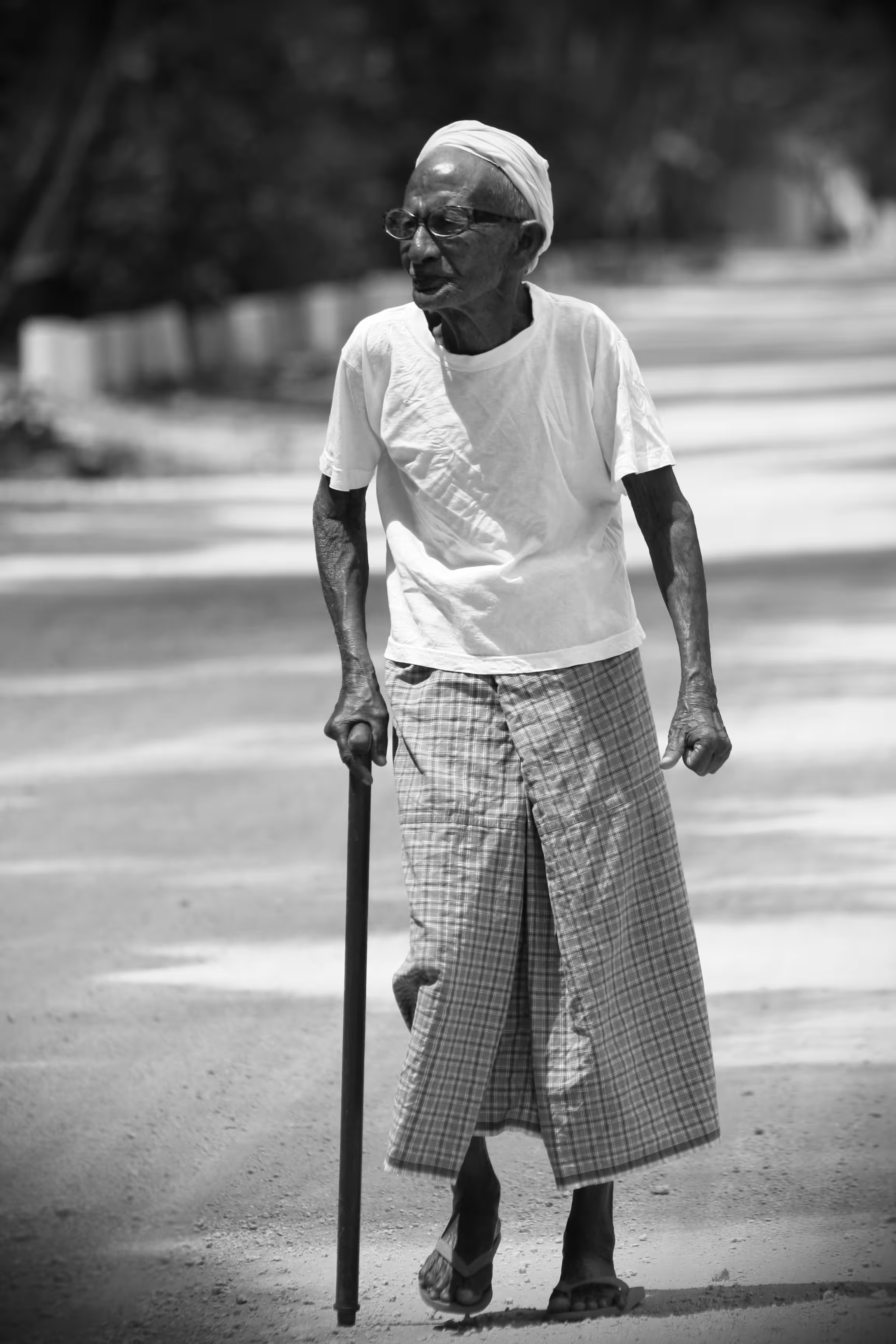
Life in Fuvahmulah is built on strong community bonds. Neighbors know one another, and daily life is shared in a calm, connected rhythm.
Simple moments — cycling, conversations, helping each other — create a grounded and peaceful atmosphere.
Faith
Faith plays a central role in daily life. Mosques serve as places of worship, reflection, and unity.
Islamic values guide everyday interactions, fostering humility, respect, and balance within the community.
Food Sharing
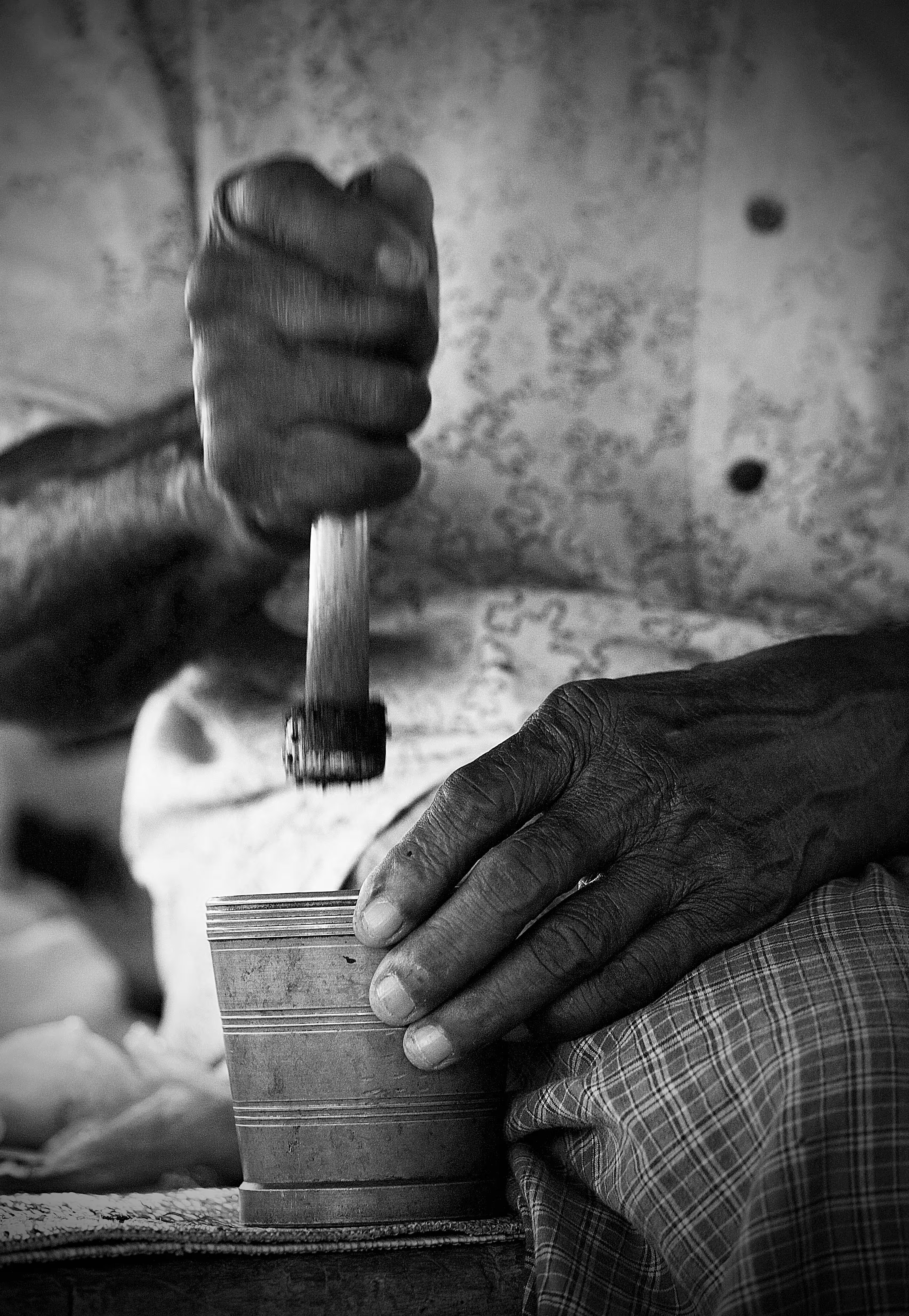
Food is meant to be shared. Neighbors exchange home-cooked meals, especially during special occasions.
Generosity in food reflects the island’s deep sense of hospitality and strengthens relationships.
Oral Traditions
Stories and spoken history preserve the identity of Fuvahmulah.
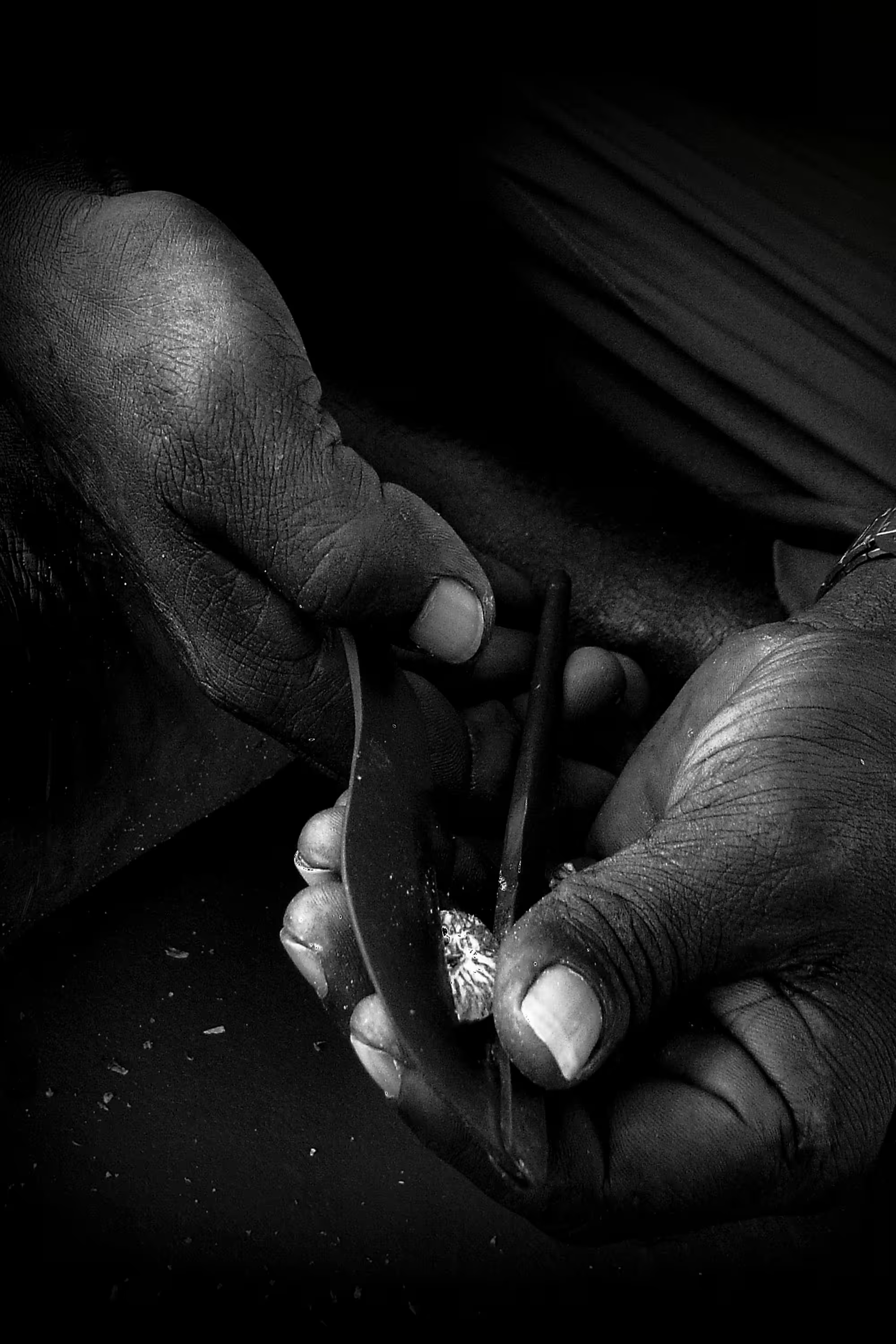
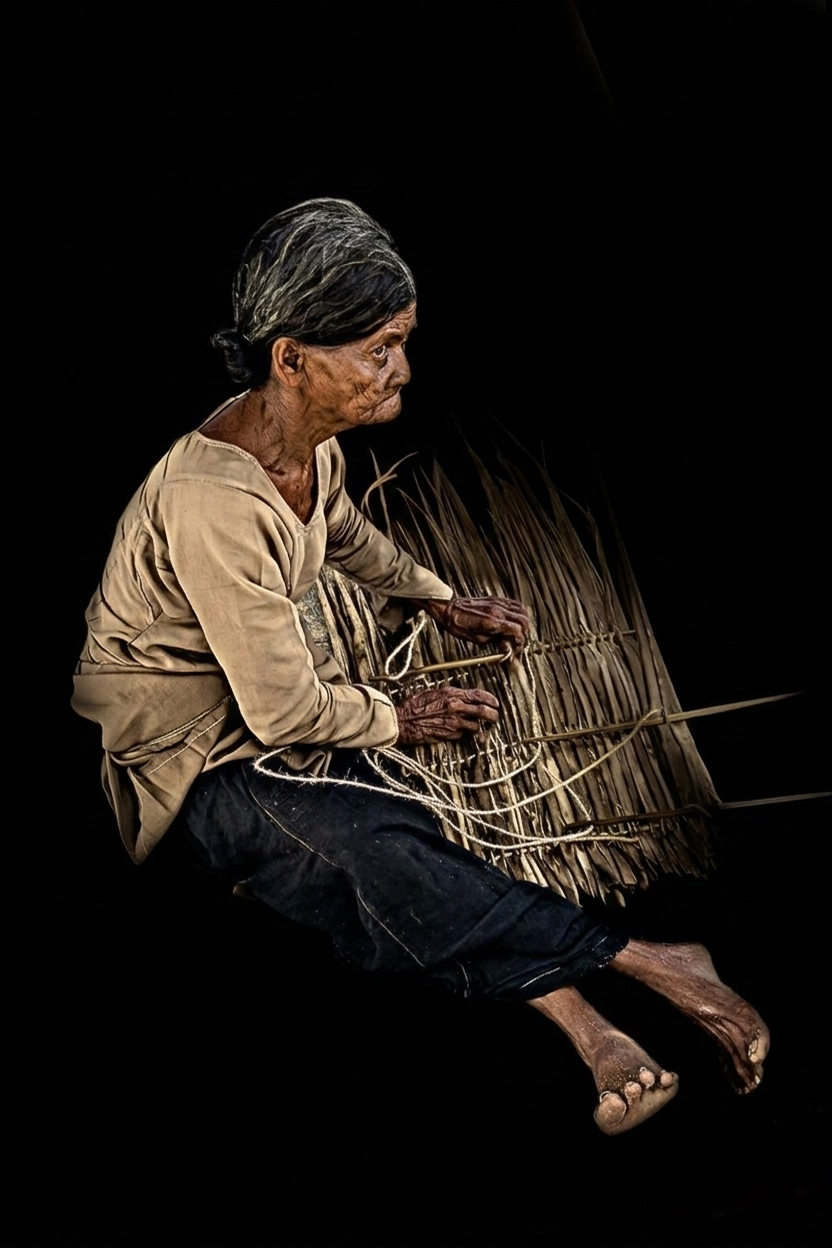
Fishing tales, family histories, and wisdom are passed down through generations, keeping traditions alive.
“In Fuvahmulah, culture is not displayed — it is lived.”
A Living Fishing Culture
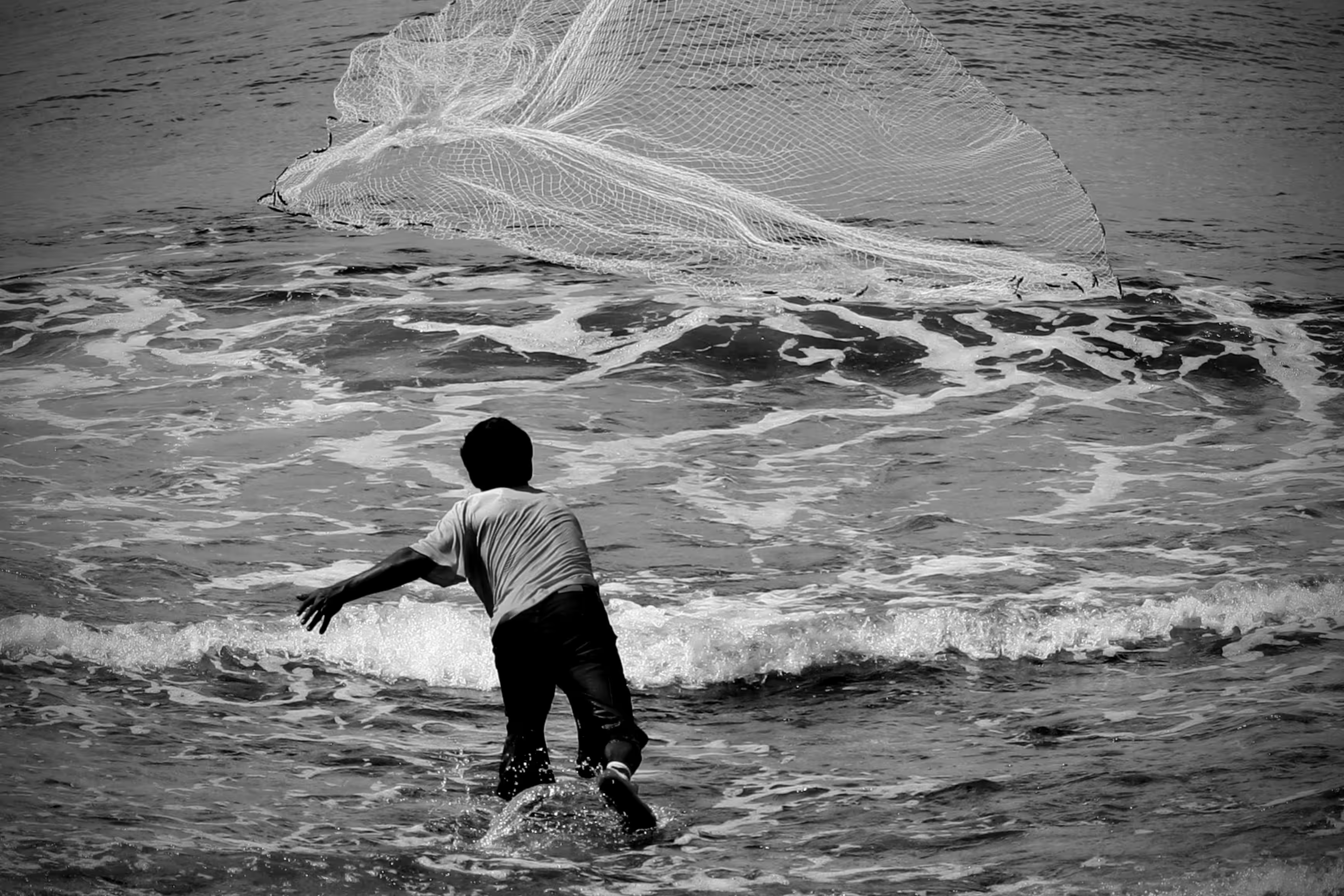
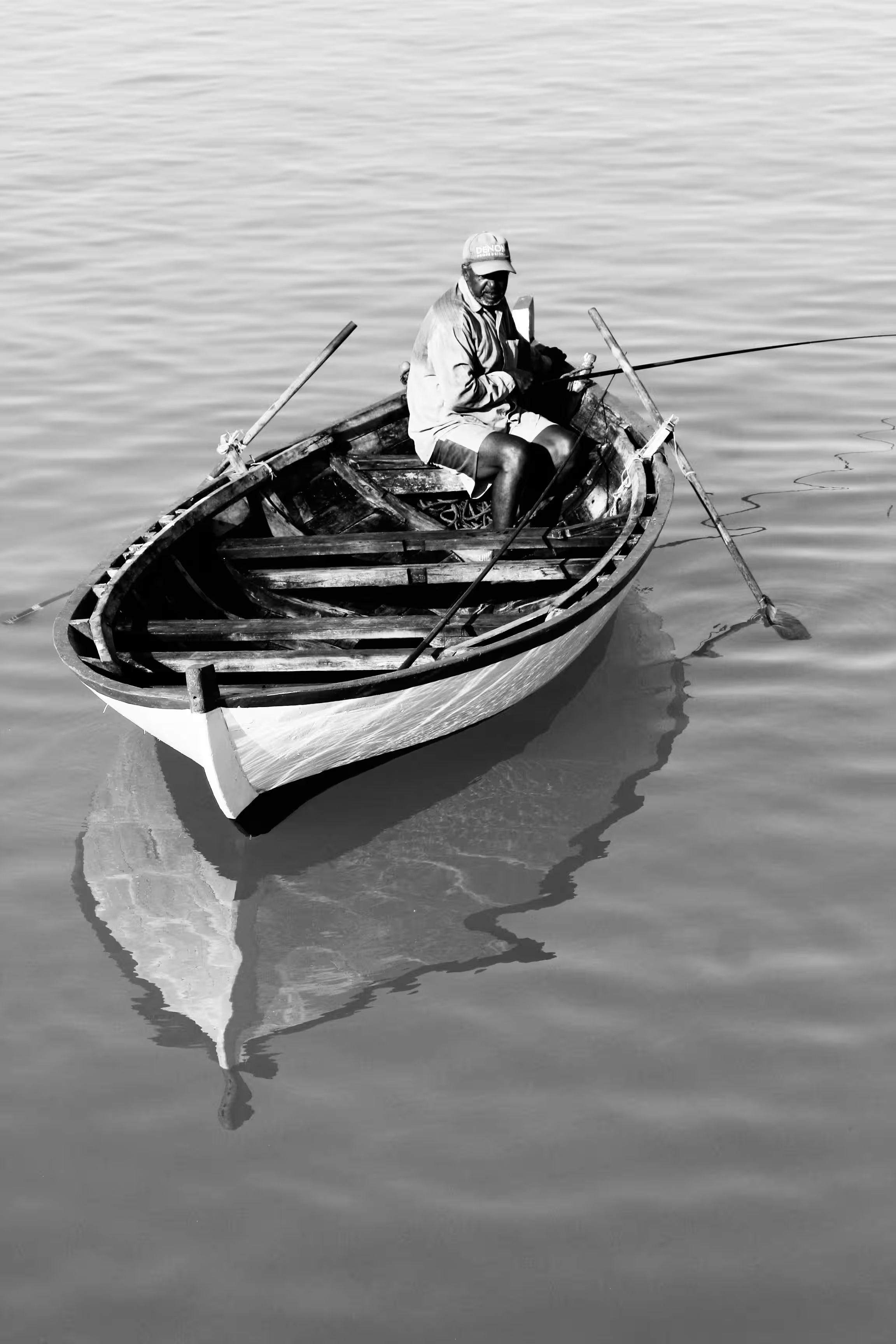
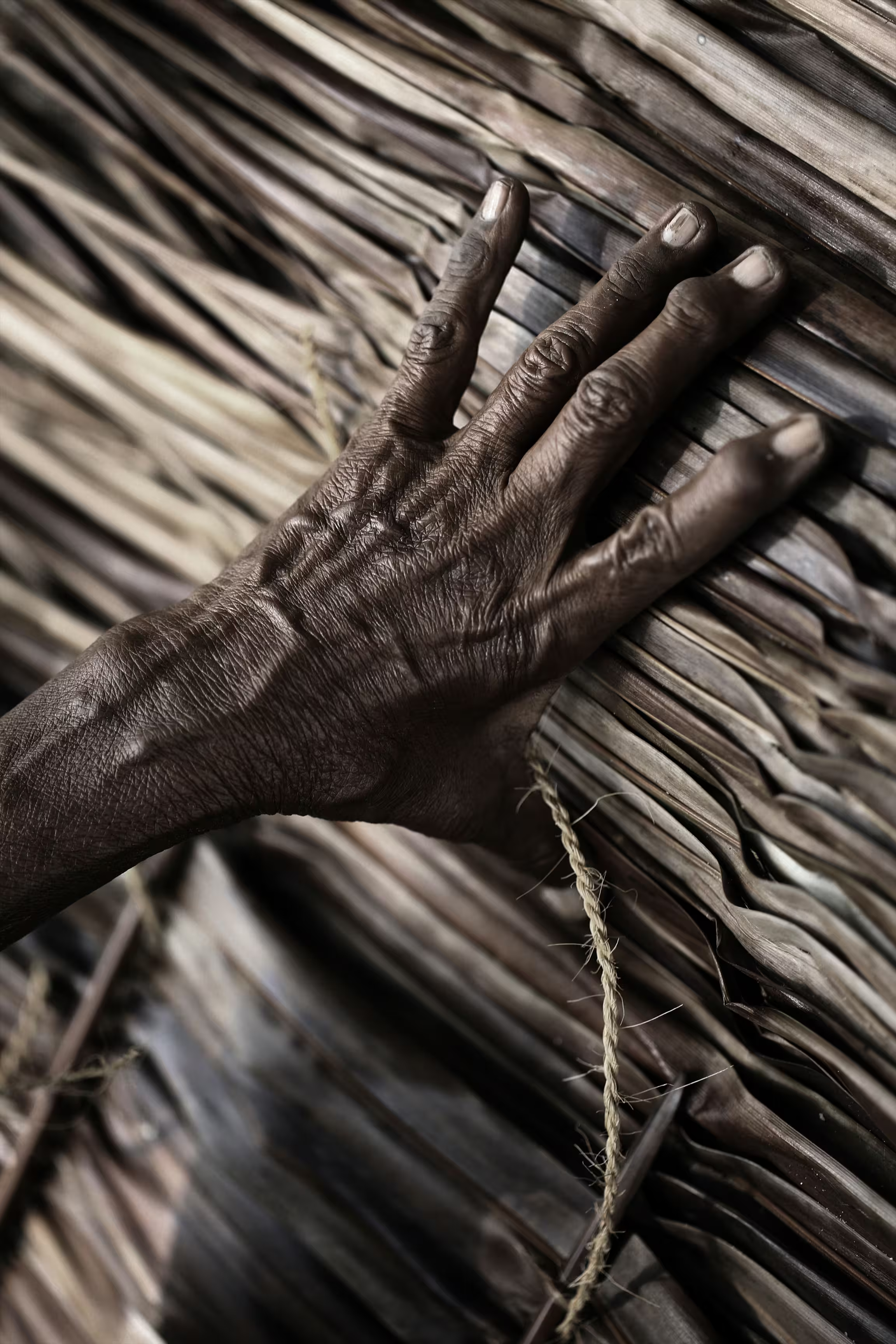
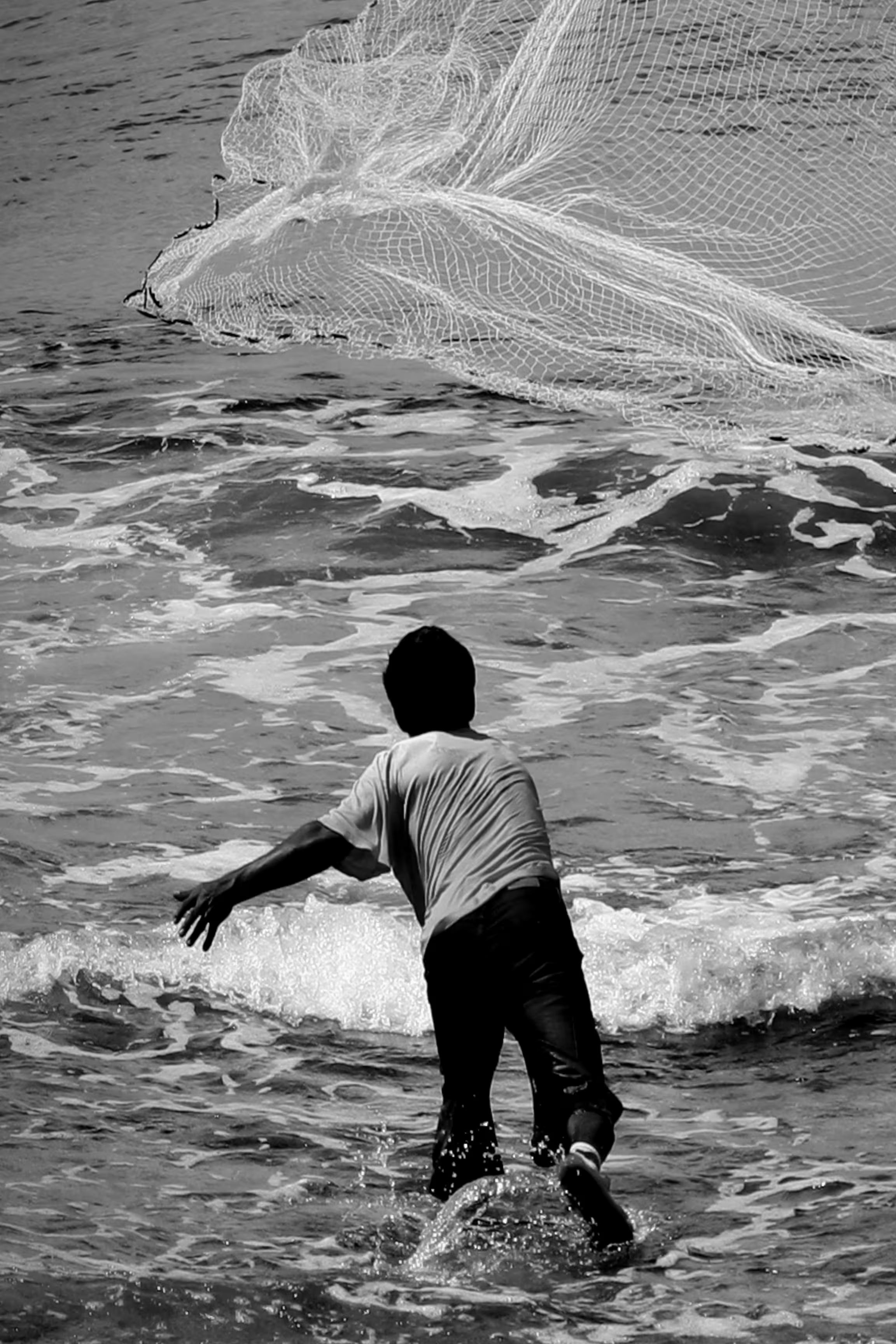
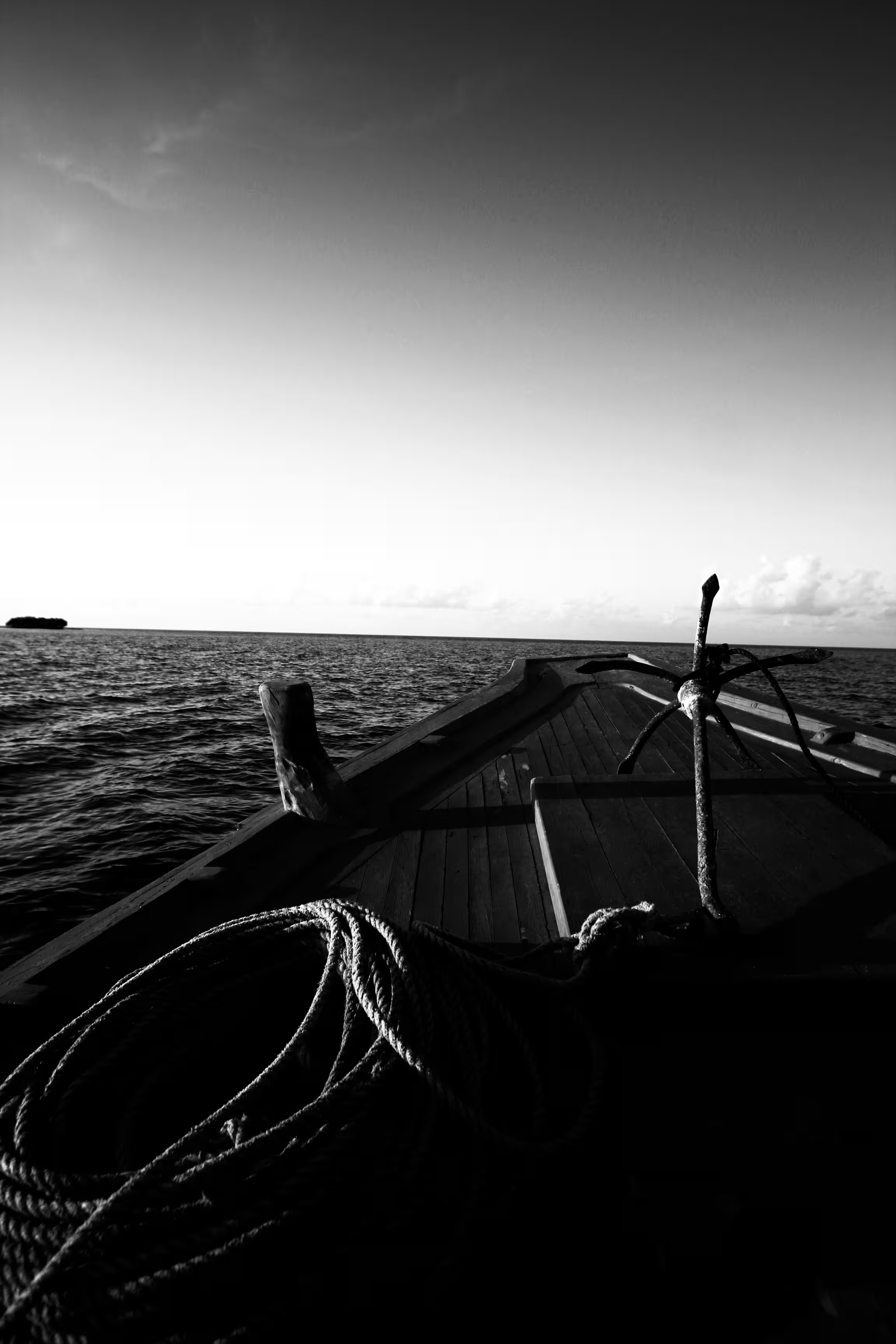
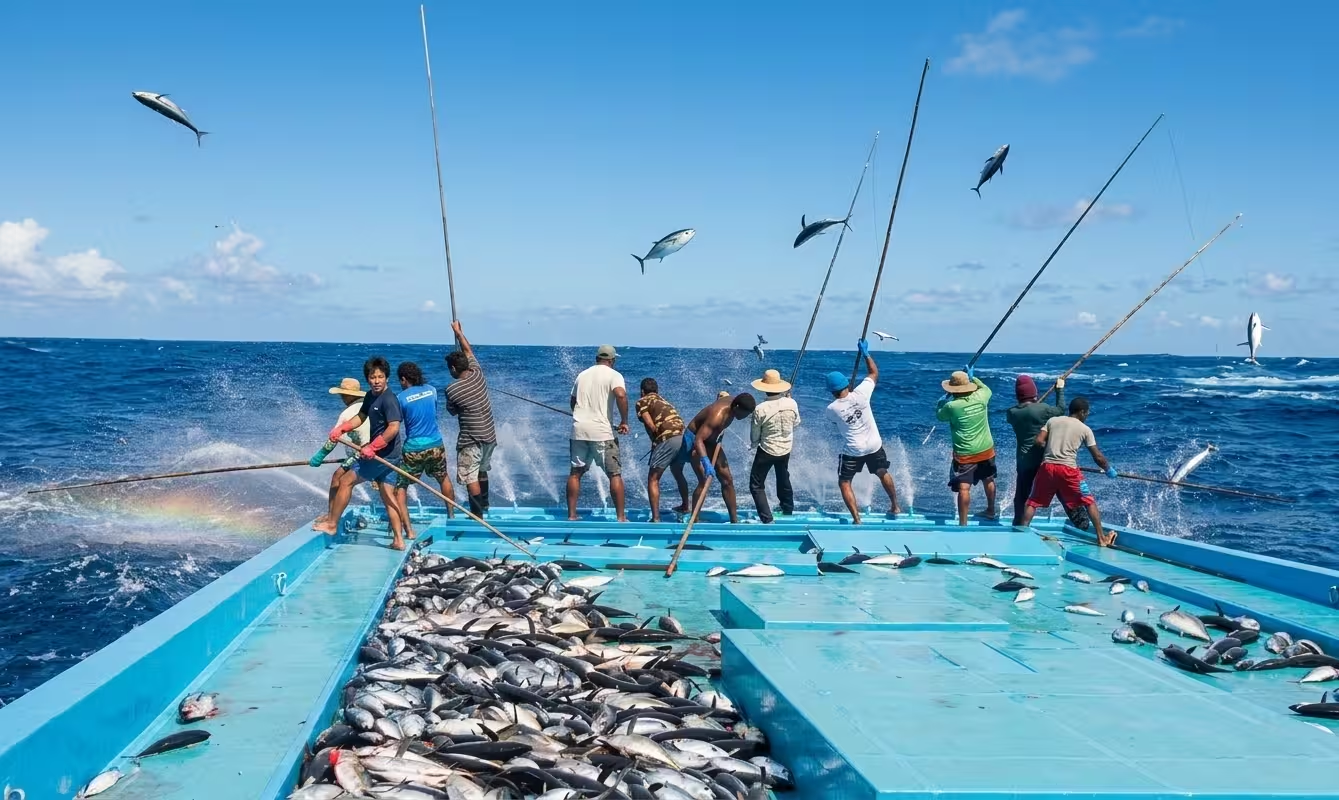
Fishing has always been one of Fuvahmulah’s main sources of livelihood, shaping both daily life and the island’s food culture.
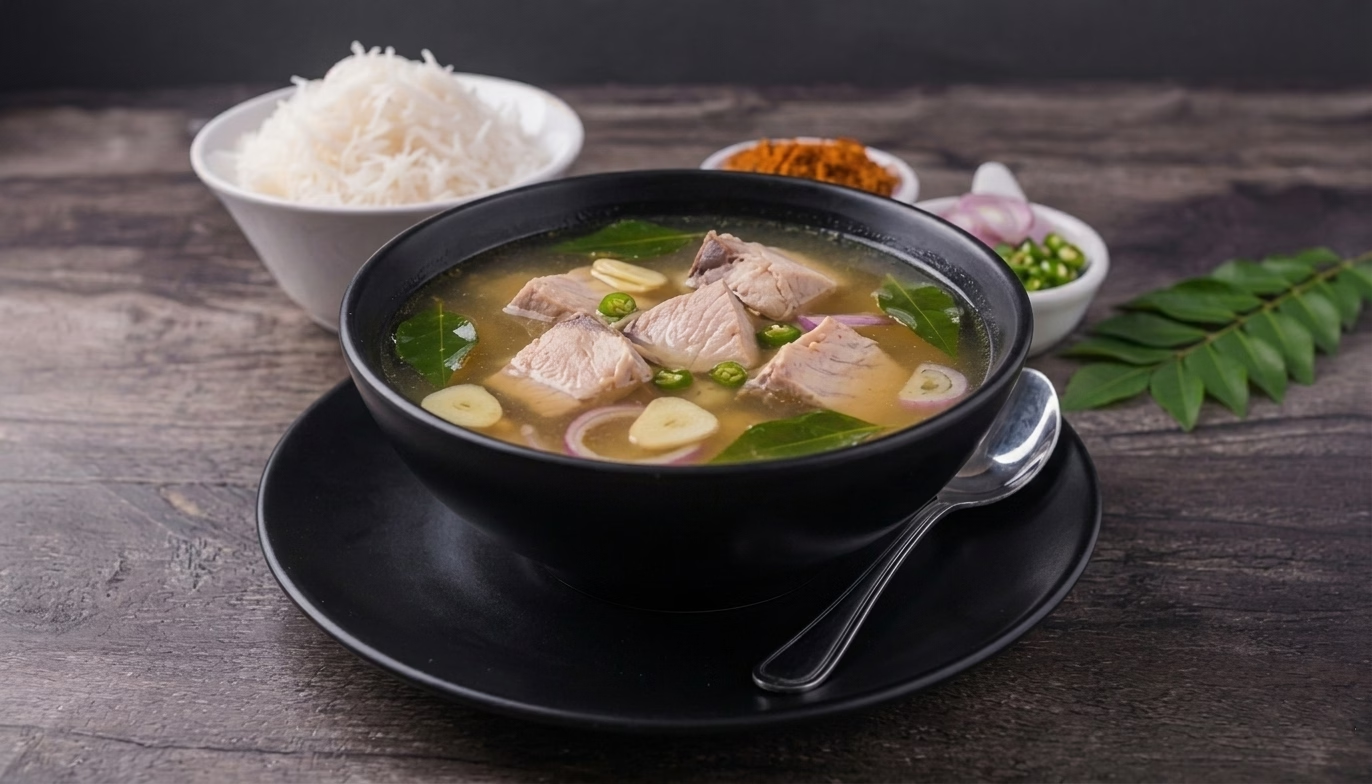
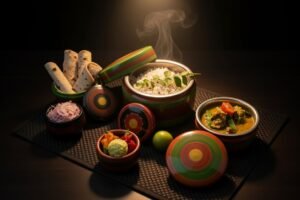
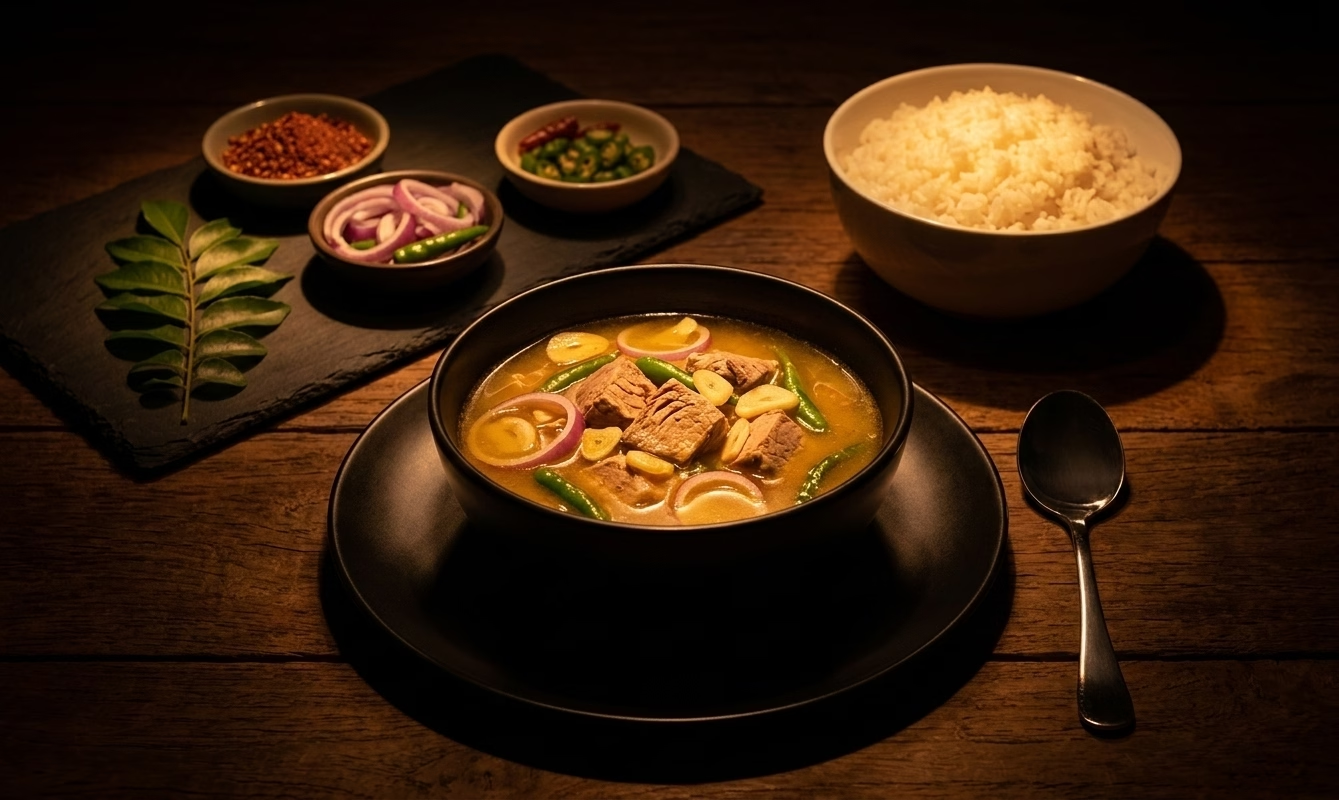
Here, the ocean provides more than income — it provides the table. Freshly caught tuna is part of everyday meals, prepared with care and tradition. Classic dishes like Garudhiya, a clear tuna soup served with rice, lime, and chili, and rich tuna fish curries cooked in different local styles are staples in almost every household.
Among all seafood traditions, one stands apart.
Kattelhi fish is considered a true island delicacy. This deep-sea fish can only be caught by highly skilled fishermen, during night fishing at depths ranging from 100 to 700 meters. The process requires experience, patience, and intimate knowledge of the ocean — making each catch rare and deeply respected.
When Kattelhi is brought ashore, it becomes a special occasion. The fish is prepared fresh, often served with Ala (taro), rice, or chapatti, and shared as a treasured dinner among family and guests.
Locals will tell you the same thing with a smile — once you taste Kattelhi, it’s unforgettable.
Some even say it’s addictive.
“Kattelhi fish are found exclusively in the waters surrounding Fuvahmulah.”
This is not just food.
It’s skill, heritage, and a deep connection to the sea — passed down through generations.
- Discover the art of traditional Kattelhi fishing and share a freshly prepared Kattelhi dinner with local islanders.
LIFE ON THE ISLAND
🚲 Bike-friendly island
🏡 Home-style living
🌴 Slow daily rhythm
Lush Vegetation & a Self-Sufficient Island Life
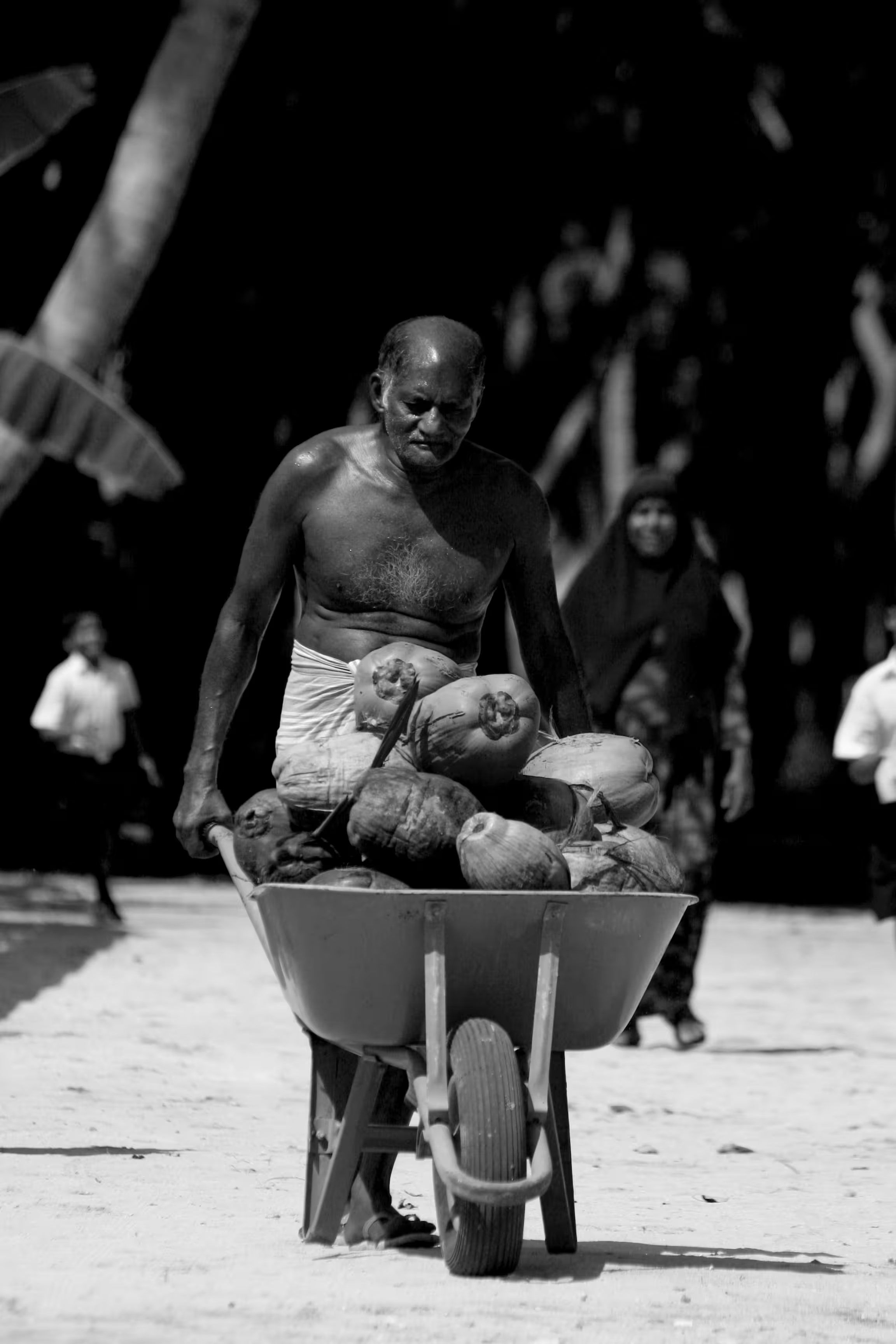
Fuvahmulah is one of the greenest islands in the Maldives, often described as a natural garden in the ocean. Unlike most islands, it is rich in fertile soil, allowing a wide variety of fruit trees and vegetables to grow naturally across the island.
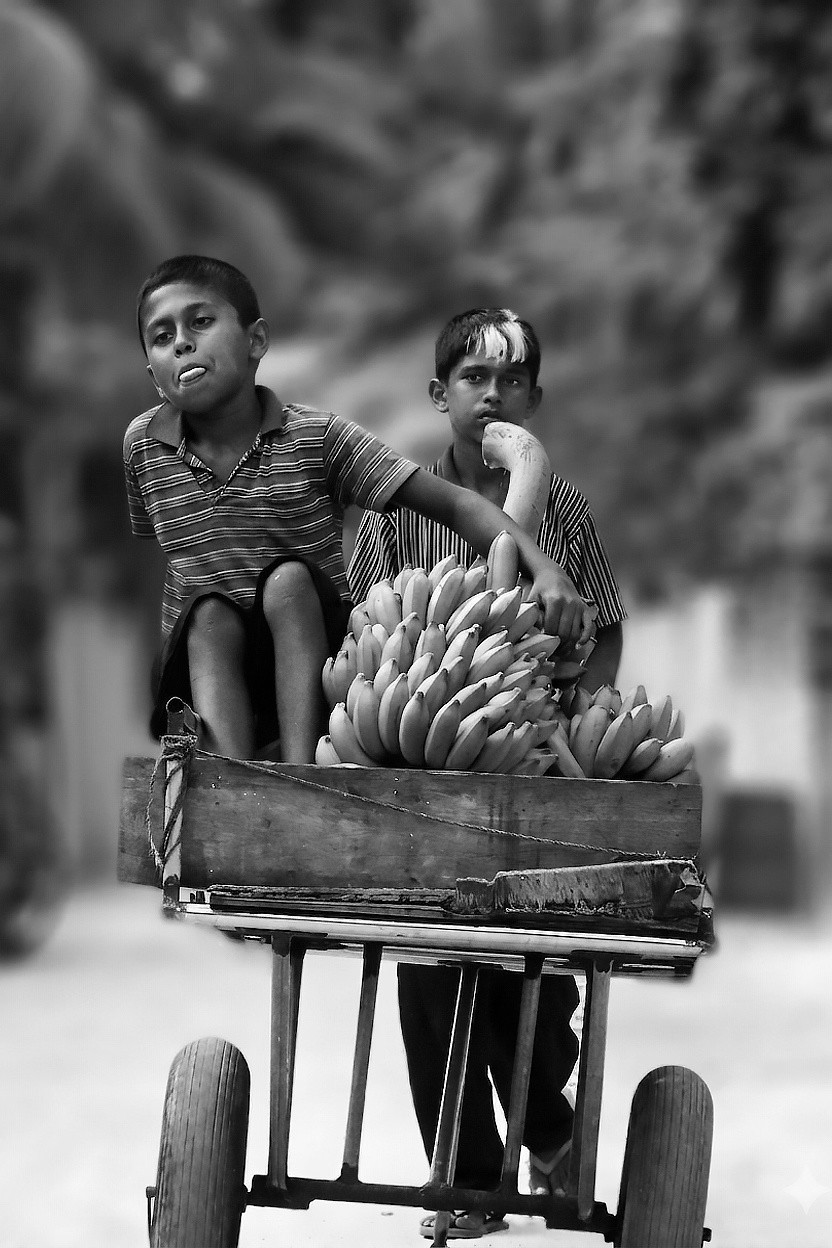
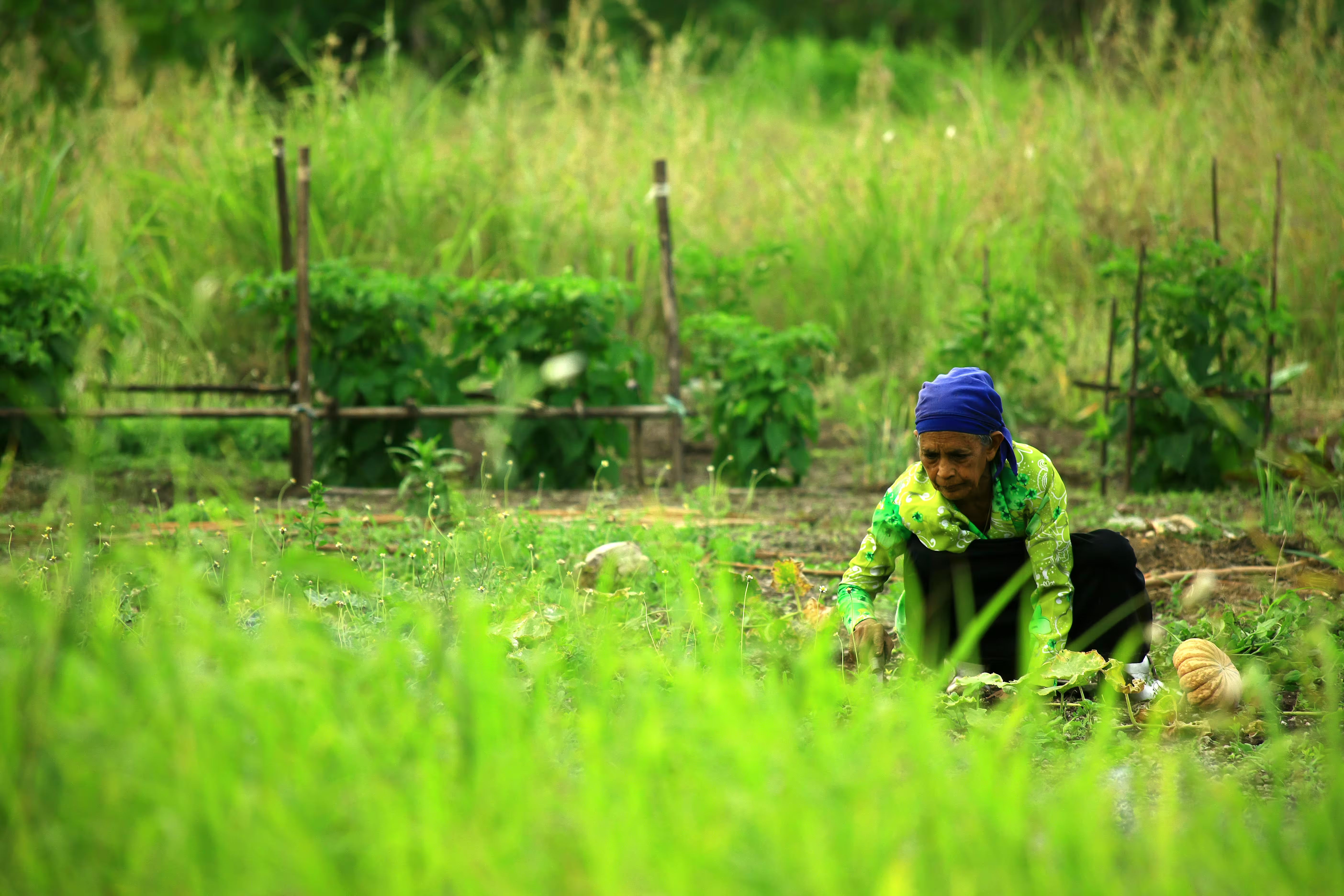
The island is filled with mango trees, breadfruit trees, banana plants, coconut palms, taro, papaya, and seasonal vegetables, many of which grow in home gardens. This abundance has made Fuvahmulah largely self-sufficient, with fresh produce harvested daily and shared within the community.
This strong connection to the land has shaped a deep and rich food culture. Cooking is central to daily life, and meals are prepared with care, generosity, and pride. Homes are known for always having something cooking, and it is common for food to be shared with neighbors, friends, and guests.
Because ingredients are fresh and locally grown, every kitchen produces flavorful, nourishing meals—from traditional Maldivian dishes to simple island comfort food. Visitors often notice that food in Fuvahmulah feels different: fresher, heartier, and deeply rooted in tradition.
Here, food is more than sustenance—it is hospitality, culture, and community.
Getting Here
All travellers must submit the Declaration within 96 hours of the flight time, during arrival and departure.
https://travel.immigration.gov.mv
The hotel reservation must be shown to immigration upon arrival.
International arrival → Malé
Domestic flight to Fuvahmulah
Local pickup
Fuvahmulah is not a destination you rush through. It’s an island you feel — and carry with you.
Quick Facts about Fuvahmulah
Fuvahmulah is a natural masterpiece, recognized globally as a UNESCO Biosphere Reserve. Its unique geography and rich biodiversity make it one of the most significant islands in the Maldivian archipelago.
| Dimensions | 4.5 km (Length) x 1.2 km (Width) |
| Total Area | 481 Hectares |
| Population | ~13,000 (3rd most populous in Maldives) |
| Major Industries | Tourism and Fishing |
- Official Language: Dhivehi (local dialect widely spoken)
- Religion: Islam
- Time Zone: GMT +5
- Climate: Tropical (Average 30°C)
- Dialing Code: +960
The official currency is the Maldivian Rufiyaa (MVR).
Current Exchange Rate: Approximately 1 USD = 19.95 MVR.
Note: Rates are subject to market fluctuations.
Standard Rates
- 17% TGST: Tourism Goods and Services Tax
- 10% Service Charge: Commonly applied to all services
- Green Tax: USD 6 per person per night (Children under 2 are exempt)
*Exchange Rate Note: While the official bank rate is 15.42 MVR, calculations here reflect a local market rate of 19.95 MVR.
Popular Fuvahmulah Tiger Shark Videos
Can I Rent a Motorbike on Fuvahmulah Island?
Yes, motorbike rentals are readily available on Fuvahmulah Island. In fact, we highly recommend this option during your stay, as it offers the freedom and flexibility to explore the island at your own pace.
With a motorbike, you can effortlessly discover Fuvahmulah’s hidden gems, scenic coastal roads, cultural highlights, and local experiences that make the island truly unique.
Life Style of Fuvahmulah